
 By Robert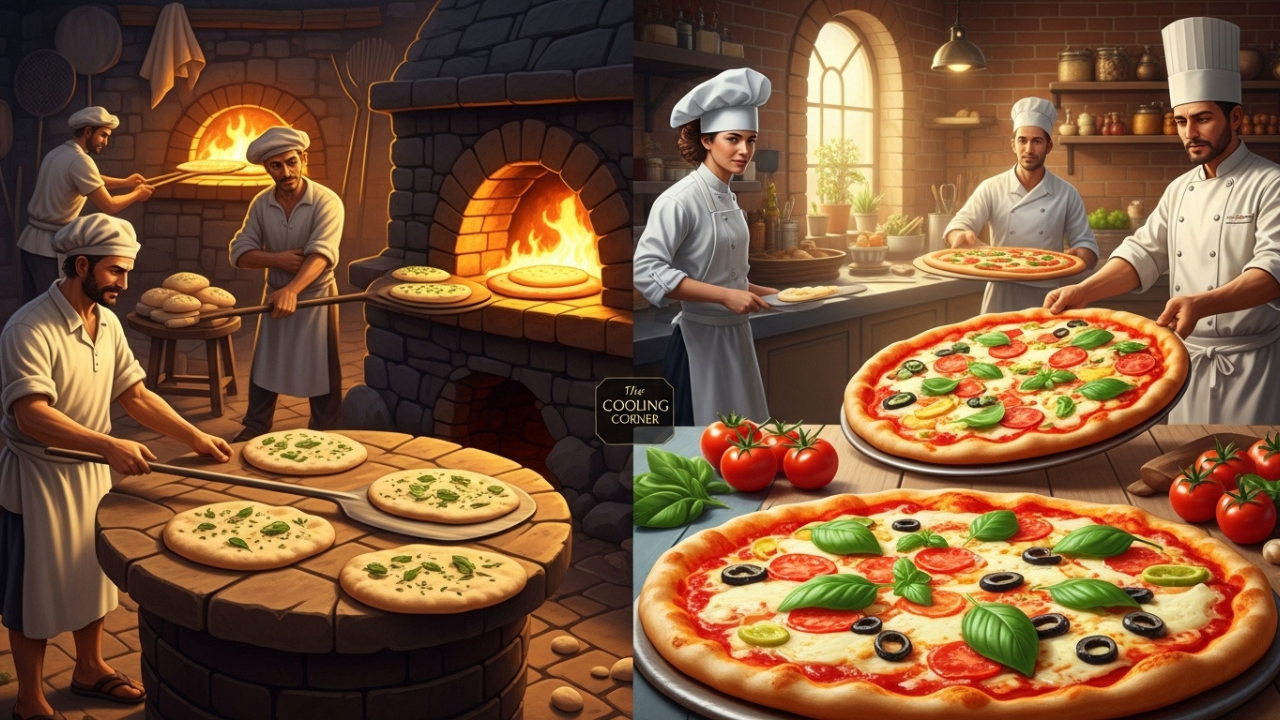
Pizza—a word that instantly conjures images of gooey cheese, crispy crusts, and endless toppings. But have you ever wondered about the origins of this beloved dish? Who invented pizza? The journey from humble flatbreads to the vibrant pizzas we know today is a tale rich with history and culture. From ancient civilizations experimenting with dough to modern innovations in pizza-making techniques, this culinary delight has evolved dramatically over centuries. Join us as we explore the fascinating story behind one of the world’s most popular foods and discover how it became a global sensation enjoyed by millions. Grab a slice and let’s dive into the delicious past!
Origins and Early History
The story of pizza begins long before the first slice was ever served. Ancient civilizations around the Mediterranean were experimenting with flatbreads topped with various ingredients. The Greeks, for example, had a dish called “plakous,” which featured herbs and oil on baked bread. This laid the groundwork for what would eventually become pizza.
In ancient Italy, particularly in Naples, bakers began to develop their own version of flatbread. They added tomatoes—introduced from the New World in the 16th century—to create a simple yet flavorful base. Initially met with skepticism, tomatoes slowly gained acceptance among locals as they discovered their culinary potential.
By the late 18th century, street vendors in Naples were selling these tomato-topped breads to eager customers. This marked a significant shift toward modern pizza as we know it today. At this time, mozzarella cheese made from water buffalo milk became popular as an ideal topping due to its rich flavor and melting qualities.
As word spread about this delicious creation, it caught attention beyond Italy’s borders. Italian immigrants brought their beloved dish to other countries where it adapted to local tastes and preferences while still maintaining its fundamental characteristics.
Thus began pizza’s journey through history—a combination of diverse influences that shaped its form and flavors over centuries.
Spread and Evolution of Pizza in Modern Times
The modern pizza we know today began to take shape in the late 19th century. Italian immigrants brought their culinary traditions to America, introducing the iconic Margherita and Neapolitan styles. These simple yet flavorful combinations of dough, tomato sauce, mozzarella cheese, and fresh basil captured hearts.
As pizza gained popularity across the United States, regional variations emerged. New York-style pizza became famous for its thin crust and large slices, perfect for folding on the go. Meanwhile, Chicago introduced its deep-dish counterpart that offered a hearty twist with layers of toppings beneath thick crust.
Fast food chains recognized pizza’s potential as a convenient meal option in the mid-20th century. This led to widespread commercialization of frozen pizzas and delivery services that altered how people enjoyed this beloved dish. The convenience factor helped cement pizza’s status as a staple in many households.
The rise of gourmet pizzerias also contributed significantly to pizza’s evolution. Chefs started experimenting with unusual toppings like arugula, figs, or even truffle oil—challenging traditional notions while appealing to adventurous palates.
In recent years, health-conscious trends have influenced recipes too. Cauliflower crusts or gluten-free options cater to dietary restrictions without sacrificing flavor or enjoyment—a testament to pizza’s adaptability over time.
Innovations in Pizza Making
Pizza making has always been a canvas for culinary creativity. Over the years, chefs and home cooks alike have experimented with ingredients and methods, leading to some remarkable innovations. From dough-making techniques to topping combinations, each development adds a new layer of excitement.
One significant innovation is the rise of alternative crusts. Traditional wheat flour has taken a backseat as gluten-free options gain popularity. Cauliflower, chickpea, and even almond flour are now common bases that cater to various dietary needs while still delivering on taste.
The cooking method has also evolved dramatically. Wood-fired ovens were once standard but have given way to electric pizza ovens that can reach high temperatures in minutes. This change allows enthusiasts access to pizzeria-quality results right from their kitchens without needing specialized equipment.
Technology hasn’t just influenced how we cook; it’s reshaped delivery systems too. With apps and platforms dedicated solely to pizza ordering, convenience is at an all-time high—bringing artisanal pies directly into homes across the globe.
There’s an ever-growing trend toward gourmet toppings that push boundaries beyond cheese and pepperoni. Think truffle oil drizzles or exotic cheeses like burrata—each choice elevates pizza from mere comfort food into an art form worth savoring.
Global Influence and Variations of Pizza
Pizza’s global journey has led to delightful variations that reflect local tastes and traditions. Each region adds its unique twist, showcasing the versatility of this beloved dish. From spicy toppings in Mexico to seafood-infused options in Japan, pizza has become a canvas for culinary creativity.
In India, pizzas often come topped with paneer and tandoori spices, marrying Italian techniques with Indian flavors. The result is a vibrant fusion that appeals to both locals and adventurous eaters alike. In contrast, Brazil features sweet versions topped with chocolate or banana—evidence of how diverse cultural influences can shape this classic meal.
Asian countries have embraced pizza too; Korea boasts a popular version adorned with kimchi and bulgogi beef. This shows how traditional ingredients can transform an Italian favorite into something entirely new yet familiar at the same time.
Even within Europe, variations abound. The Turkish pide resembles pizza but incorporates regional meats and herbs for distinctive flair while still maintaining that comforting flatbread essence.
These adaptations are not merely about taste; they represent an exchange of cultures through food. Pizza continues to evolve globally as it brings people together around shared meals infused with love from various culinary heritages.
Pizza in North America
Pizza made its way to North America in the late 19th century, brought over by Italian immigrants. These newcomers introduced their culinary traditions, including flatbreads topped with sauce and cheese. Initially, pizza was a dish exclusive to Italian neighborhoods. However, it didn’t take long for this tasty treat to capture the hearts—and appetites—of a broader audience.
As cities grew and diversified, so did pizza’s appeal. The first pizzeria in the United States is often credited as Lombardi’s in New York City, opened in 1905. It became an instant hit and laid the foundation for countless establishments that followed suit across the country.
In time, regional styles began to emerge across North America. Chicago introduced deep-dish pizza—a hearty option loaded with toppings and baked in a thick crust pan. On the West Coast, California-style pizza emerged with gourmet ingredients like goat cheese or artichokes atop traditional dough.
The rise of fast-food chains also transformed how Americans consumed pizza. Delivery services became popularized through franchises like Domino’s and Pizza Hut during the 1970s and ’80s. This shift made it easier than ever for families to enjoy this once-ethnic delicacy at home.
Today’s pizzas are not just confined within traditional boundaries; they embody creativity from various cultures around the globe while still honoring their roots—the humble flatbread topped with delicious ingredients that started it all! As more people explore different flavors and combinations, one thing remains clear: pizza is here to stay as a beloved staple of modern cuisine across North America.