
 By Robert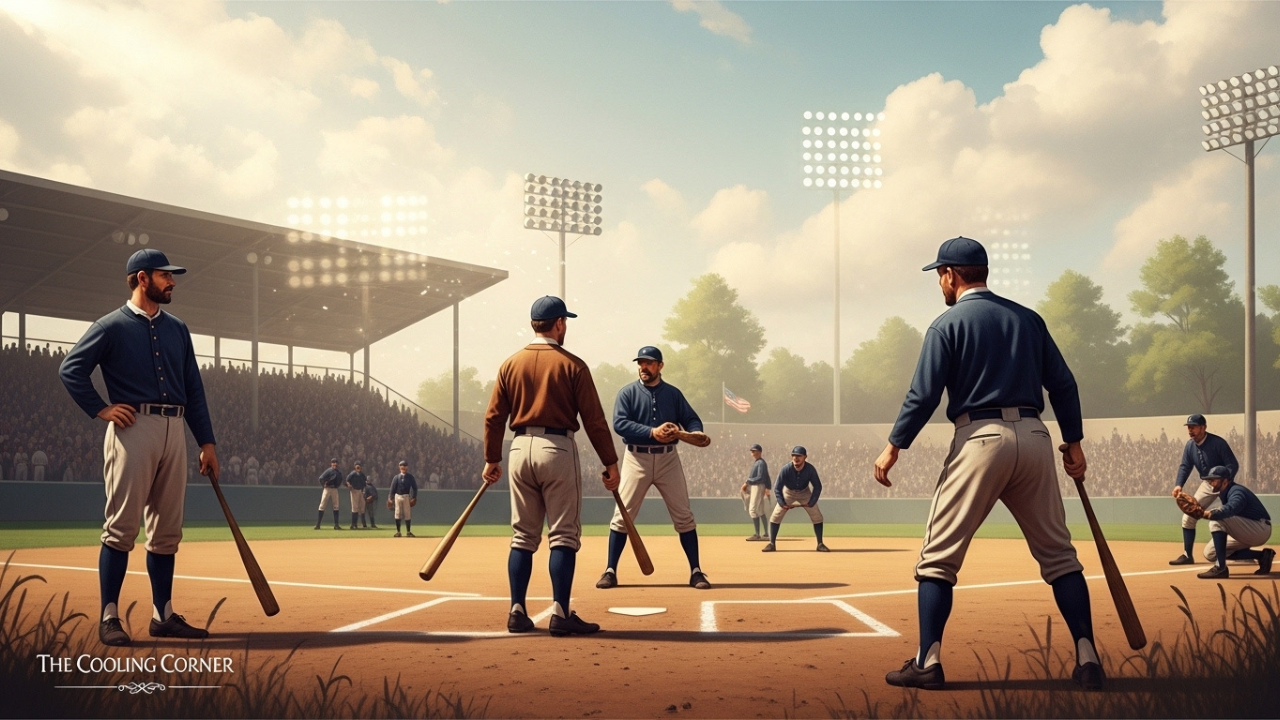
Baseball isn’t just a game; it’s woven into the very fabric of American culture. Often dubbed “America’s pastime,” this beloved sport has captivated hearts and minds for generations. But when was baseball invented? The answer is as layered as the game itself, steeped in history and evolving traditions. From dusty fields to grand stadiums, baseball has come a long way since its inception. Join us on a journey through time to explore how this iconic sport began, who played pivotal roles in its development, and what influences shaped it into the thrilling spectacle we know today. Let’s step up to the plate and dig deeper into the origins of baseball!
Who invented baseball?
The question of who invented baseball often sparks lively debates among historians. Many point to Abner Doubleday, credited with creating the game in Cooperstown, New York, in 1839. However, this narrative has been largely debunked as a myth.
Instead, it’s more accurate to say that baseball evolved from various bat-and-ball games played throughout history. Early versions can be traced back to England in the 17th century, notably rounders and cricket. These games laid the groundwork for what would become America’s favorite pastime.
In reality, baseball was shaped by multiple contributors over time rather than a single inventor. Local variations emerged across communities as people adapted rules and styles of play to suit their preferences—setting the stage for its eventual popularity across the United States.
Origins of baseball
Baseball’s origins trace back to a variety of bat-and-ball games played in England during the 17th century. These early versions included rounders and cricket, which laid the groundwork for what would become America’s beloved pastime.
As immigrants brought their cultures to America, these games evolved into something uniquely American. The melding of different styles and rules created a new sport that captured the public’s imagination.
By the mid-1800s, baseball began to take shape as we know it today. It was formalized with established rules and organized play, paving the way for future leagues and professional teams. The excitement surrounding this emerging game set off a spark that would grow into an enduring national obsession.
Professional leagues develop
The development of professional baseball leagues marked a significant turning point in the history of the sport. In 1845, Alexander Cartwright and his Knickerbocker Base Ball Club established formal rules for gameplay. This helped to standardize baseball across various regions.
By the late 1850s, amateur clubs began forming, but it was the formation of the National Association of Professional Base Ball Players in 1871 that truly ignited interest. This league laid down a foundation for others to follow and fueled competition among teams.
As more cities embraced baseball, local pride grew stronger. Teams like the Chicago White Stockings and Boston Red Caps captured fans’ imaginations. The excitement surrounding these matches set the stage for an explosion of interest that would shape America’s pastime forever.
Rise of Ruth and integration
Babe Ruth emerged as a baseball icon in the 1920s, captivating fans with his extraordinary talent and larger-than-life personality. His home runs electrified stadiums across America, making him an essential figure during baseball’s golden age. The “Sultan of Swat” not only transformed the game but also helped elevate its status in American culture.
While Ruth was breaking records, another significant shift was occurring off the field: the integration of Major League Baseball. Jackie Robinson famously broke the color barrier in 1947 when he joined the Brooklyn Dodgers. This moment marked a new era for both baseball and civil rights.
Ruth’s legacy intertwined with Robinson’s achievements created a powerful narrative that transcended sports. Together, they shaped America’s pastime into a platform for change while inspiring generations to come through their dedication and resilience on and off the diamond.
Stoolball
Stoolball is an ancient game that some believe laid the groundwork for baseball. Originating in England, it dates back to at least the 15th century. The name itself derives from using stools as wickets, creating a unique twist on traditional bat-and-ball games.
Players would take turns batting and fielding, with rules varying by region. The game was often played in fields or village greens, making it a favorite pastime for local communities. It was especially popular among women and children, showcasing its inclusive nature.
While stoolball may not be as well-known today, its influence on baseball is undeniable. The basic principles of running bases and hitting a ball have persisted through time. As America embraced various sports in the 19th century, stoolball’s legacy lingered behind the scenes of what we now cherish as America’s pastime.
How Has Baseball Changed Recently?
Baseball has seen significant changes in recent years, driven by technology and evolving fan expectations. The introduction of instant replay systems transformed how officials make calls, ensuring greater accuracy in crucial moments. Fans appreciate the fairness it brings to the game.
Statcast technology has revolutionized player analysis and team strategies. By measuring every movement on the field, teams can optimize their performance like never before. This data-driven approach influences everything from pitching choices to batting techniques.
Moreover, Major League Baseball (MLB) is actively working to attract younger audiences. Initiatives like “Pace of Play” aim to shorten games while maintaining excitement. With innovations such as pitch clocks and limited mound visits, baseball is embracing a faster-paced experience that keeps fans engaged from start to finish.
The New World Influence: Colonial America
Colonial America was a melting pot of cultures, and this diversity played a crucial role in shaping early forms of baseball. Settlers brought various bat-and-ball games from Europe, blending their traditions with indigenous practices. This fusion led to the emergence of new sports that resembled modern baseball.
One popular game among the colonists was called “rounders,” which featured similar rules to what we see today. The simplicity of the game made it accessible for everyone, fostering community engagement and friendly competition. Children often played these informal versions during leisure time.
As towns grew, so did organized play. Local matches became social events, setting the stage for more structured competitions down the line. These early adaptations paved the way for baseball’s evolution into America’s favorite pastime as communities united over shared enjoyment.
The Ongoing Evolution of Baseball
Baseball continues to evolve, adapting to the changing tastes of fans and the dynamics of society. The introduction of technology has transformed how we watch and enjoy games. Instant replay and advanced analytics offer new layers to strategy, while social media connects fans in real-time.
The game is also becoming more inclusive. Initiatives aimed at increasing diversity are essential in shaping its future. As baseball embraces players from various backgrounds, it enriches the sport’s narrative.
Youth leagues are thriving as well, ensuring that America’s pastime remains relevant for generations to come. Tournaments and travel teams nurture young talent with dreams of major league stardom.
With each season bringing fresh stories, innovations, and challenges, baseball will undoubtedly continue on its path of evolution—fostering a deeper connection between past traditions and modern advancements within this beloved sport.