
 By Robert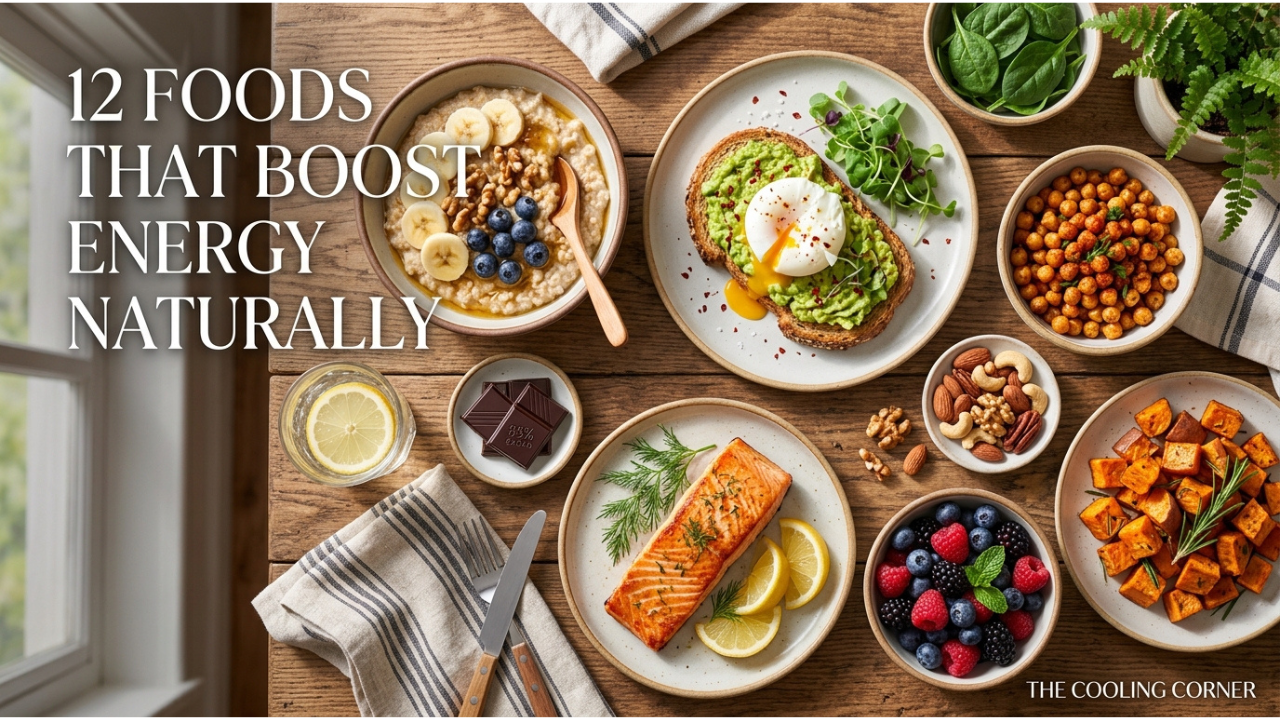
Do you reach for a cup of coffee the moment that 3 PM slump hits? You’re not alone. Millions of people struggle with low energy every single day — but the solution isn’t always another espresso shot. The real answer might be sitting right in your kitchen.
In this guide, we’ll walk you through 12 powerful foods that boost energy naturally, explaining exactly why they work and how to eat them for maximum effect. No gimmicks, no supplements — just real food, real science.
Why Do We Feel Low on Energy?
Before diving into the foods, it helps to understand what causes fatigue in the first place. Your body runs on ATP (adenosine triphosphate) — a molecule produced from the food you eat. When your diet is poor, your blood sugar is unstable, or you’re dehydrated, ATP production drops and fatigue sets in.
Common culprits of low energy include:
- Skipping meals or eating highly processed foods
- Blood sugar spikes and crashes from sugary snacks
- Iron or B-vitamin deficiencies
- Dehydration (even mild dehydration causes fatigue)
- Poor sleep compounded by bad eating habits
The good news? The right foods can directly address all of these issues.
12 Foods That Boost Energy Naturally
Oats — The All-Day Breakfast Champion
Oats are one of the most powerful natural energy foods you can eat. Unlike sugary cereals that cause a quick spike and crash, oats are packed with complex carbohydrates that digest slowly, releasing glucose into your bloodstream at a steady rate.
Why it works: Oats are rich in B vitamins (especially B1 and B5), which help your body convert carbohydrates into usable energy at the cellular level. They also contain beta-glucan fiber, which slows digestion and keeps you full and energized for hours.
How to eat them: Try overnight oats topped with banana slices and a handful of walnuts. This combination gives you carbs, healthy fat, and potassium — a triple energy combo.
Nutritional highlight: One cup of cooked oats provides 4g of protein, 4g of fiber, and key minerals like iron and magnesium.
Bananas — Nature’s Original Energy Bar
Bananas have long been a favorite of athletes, and for good reason. They contain three types of natural sugars — glucose, fructose, and sucrose — that are absorbed at different speeds, providing both immediate and sustained energy.
Why it works: Bananas are loaded with potassium, which supports nerve and muscle function. They also contain vitamin B6, which plays a critical role in energy metabolism. Research has even shown that bananas fuel athletic performance as effectively as commercial sports drinks.
How to eat them: Eat a banana 30 minutes before exercise, or slice one into your oatmeal for a pre-work breakfast.
Pro tip: The riper the banana, the faster the energy release. Green bananas release energy more slowly due to higher resistant starch content.
Eggs — The Complete Energy Package
Eggs are one of the most nutrient-dense foods on the planet, and a phenomenal source of natural energy. They contain all nine essential amino acids, making them a complete protein that your body uses for sustained fuel and muscle repair.
Why it works: Eggs are rich in leucine, an amino acid that stimulates energy production in cells. They also contain choline, a nutrient that supports brain function and mental alertness — meaning eggs don’t just fuel your body, they sharpen your mind too.
How to eat them: A two-egg breakfast with whole grain toast gives you a balanced mix of protein, healthy fat, and complex carbs — the ideal energy trifecta.
Nutritional highlight: Two large eggs provide 12g of protein and significant amounts of B2, B12, and vitamin D.
Chickpeas — The Underrated Powerhouse
Chickpeas (also called garbanzo beans) are a staple in South Asian and Middle Eastern cuisines — and they happen to be one of the best natural energy boosters available. They combine fiber, complex carbs, protein, and B vitamins all in one small package.
Why it works: The combination of fiber and protein in chickpeas slows digestion significantly, preventing blood sugar spikes that lead to energy crashes. Their vitamin B6 content further supports energy metabolism.
How to eat them: Roast chickpeas with cumin and olive oil for a crunchy, energy-boosting snack. Or add them to a salad or curry for a satisfying, slow-burn lunch.
Nutritional highlight: Half a cup of chickpeas provides 7g of protein, 6g of fiber, and 9% of your daily B6 needs.
Spinach & Leafy Greens — Iron for Oxygen Flow
Leafy greens like spinach, kale, and methi (fenugreek) are packed with iron — and iron is critical for energy. Iron helps red blood cells carry oxygen to your muscles and organs. Without enough iron, your cells literally run short of oxygen, leaving you tired and foggy.
Why it works: Spinach is also rich in magnesium, which is directly involved in over 300 biochemical reactions in your body, including the conversion of food into ATP energy. It also contains folate, which supports red blood cell production.
How to eat them: Add spinach to your morning smoothie — you won’t taste it, but you’ll feel the difference. Or make a simple saag dish with garlic and olive oil.
Pro tip: Pair spinach with a vitamin C source (like lemon juice or tomatoes) to significantly boost iron absorption.
Nuts — Smart Snacking for Sustained Energy
Almonds, walnuts, and cashews are among the best foods for steady, long-lasting energy. They provide a balanced ratio of healthy fats, protein, and fiber — the combination that keeps blood sugar stable between meals.
Why it works: Walnuts specifically are rich in omega-3 fatty acids, which reduce inflammation and support brain function. Almonds are high in magnesium and vitamin E. Cashews provide iron and zinc, both of which fight fatigue.
How to eat them: Keep a small bag of mixed nuts at your desk. A 30g handful between meals will prevent the energy dip that usually hits mid-morning or mid-afternoon.
Nutritional highlight: A small handful of almonds (28g) provides 6g of protein, 3.5g of fiber, and 37% of your daily vitamin E.
Sweet Potatoes — Complex Carbs Done Right
Sweet potatoes are one of the best complex carbohydrate sources on the planet. Unlike white potatoes or refined carbs, they release energy gradually, making them ideal for sustained vitality throughout the day.
Why it works: They are rich in manganese, which helps break down nutrients for energy production. Their high fiber content slows digestion, and their natural sweetness makes them satisfying without causing a sugar crash.
How to eat them: Bake a sweet potato and top it with Greek yogurt and a sprinkle of cinnamon for a filling, energy-boosting meal. Or add cubed sweet potato to a vegetable curry.
Nutritional highlight: One medium sweet potato covers 25% of your daily manganese needs and contains 4g of fiber.
Berries — Antioxidants That Fight Fatigue
Blueberries, strawberries, and blackberries may be small, but they are nutritional powerhouses. Their rich antioxidant content — particularly flavonoids — directly combats the cellular inflammation that causes fatigue.
Why it works: Chronic low-grade inflammation drains your energy reserves. The antioxidants in berries reduce this inflammation, helping your cells produce energy more efficiently. Berries also contain natural sugars paired with fiber, giving you a quick but crash-free energy lift.
How to eat them: Add a handful of berries to your oatmeal or yogurt each morning. Frozen berries work just as well as fresh and are more affordable.
Nutritional highlight: One cup of blueberries provides vitamin C, vitamin K, and manganese, along with some of the highest antioxidant levels of any food.
Fatty Fish — Brain and Body Fuel
Salmon, sardines, and tuna are exceptional sources of omega-3 fatty acids and vitamin B12 — two nutrients that are essential for sustained energy and mental clarity.
Why it works: Vitamin B12 is directly involved in red blood cell formation and energy metabolism. A deficiency in B12 is one of the most common causes of chronic fatigue. Omega-3s reduce brain inflammation, improving focus and reducing mental tiredness.
How to eat them: Grilled salmon with a side of steamed vegetables and brown rice makes an ideal energy-boosting dinner. Canned tuna or sardines are affordable daily options.
Nutritional highlight: Three ounces of salmon provides over 100% of your daily B12 and significant omega-3 fatty acids.
Avocados — Healthy Fats for the Long Haul
Avocados are rich in monounsaturated fatty acids and fiber, making them one of the best foods for long-lasting energy. Unlike simple carbs that burn fast, healthy fats provide slow-burning, sustained fuel — particularly for the brain.
Why it works: Avocados contain B vitamins (B5 and B6) along with folate, all of which support energy metabolism. Their high fiber content — about 10g per fruit — also helps keep blood sugar stable.
How to eat them: Mash avocado on whole grain toast with a poached egg on top for a complete, long-lasting breakfast. Or add slices to a salad or wrap.
Dark Chocolate — The Afternoon Savior
Not all treats are energy drains. Dark chocolate (70% cocoa or higher) contains caffeine and theobromine — two natural stimulants that provide a gentle, sustained energy lift without the jitteriness of coffee.
Why it works: Dark chocolate stimulates the production of endorphins and serotonin, improving mood and mental energy. Its flavonoids also improve blood flow to the brain, enhancing focus and alertness.
How to eat it: Two to three squares of 70%+ dark chocolate in the afternoon provides a noticeable, crash-free energy boost. Pair with a handful of nuts for added protein.
Important: Stick to small amounts — about 30–40g per day. More than this can backfire due to sugar content.
Water — The Most Underestimated Energy Source
Water isn’t a food, but it deserves the final spot on this list because it’s the most overlooked energy solution. Even mild dehydration of just 1–2% body weight can cause noticeable fatigue, reduced focus, and poor mood.
Why it works: Every cell in your body requires water to produce energy. When you’re dehydrated, your blood becomes thicker, your heart works harder to pump it, and oxygen delivery to muscles and the brain slows down — all of which drain your energy.
How to stay hydrated: Aim for 8–10 glasses of water per day. Add a squeeze of lemon and a pinch of pink Himalayan salt for natural electrolytes — especially after exercise.
Quick Reference: Energy Foods at a Glance
| Food | Energy Type | Best Time to Eat |
|---|---|---|
| Oats | Slow-release carbs | Breakfast |
| Bananas | Quick + sustained | Pre-workout / Morning |
| Eggs | Protein + fat | Breakfast / Lunch |
| Chickpeas | Protein + fiber | Lunch / Snack |
| Spinach | Iron + magnesium | Any meal |
| Nuts | Healthy fat + protein | Snack |
| Sweet Potatoes | Complex carbs | Lunch / Dinner |
| Berries | Antioxidants + natural sugar | Breakfast / Snack |
| Fatty Fish | B12 + omega-3 | Lunch / Dinner |
| Avocados | Healthy fat + B vitamins | Breakfast / Lunch |
| Dark Chocolate | Caffeine + theobromine | Afternoon |
| Water | Hydration | All day |
Foods to Avoid If You Want Lasting Energy
Just as important as what you eat is what you avoid. These common culprits steal your energy:
- Sugary drinks and energy drinks — cause rapid blood sugar spikes followed by deep crashes
- White bread and refined carbs — digest quickly, leaving you hungry and tired within the hour
- Fried and heavily processed foods — difficult to digest, divert blood flow to your gut, and leave you sluggish
- Excessive alcohol — disrupts sleep quality and depletes B vitamins critical for energy
- Skipping meals — forces your body into conservation mode, dropping energy to minimum
A Sample Energy-Boosting Day of Eating
Want to put all of this together? Here’s what a real energy-optimized day might look like:
Morning (7–8 AM): Overnight oats with banana, walnuts, and a drizzle of honey + 2 glasses of water
Mid-morning (10 AM): A handful of almonds + one orange
Lunch (1 PM): Grilled salmon or tuna with spinach salad, chickpeas, avocado, and lemon dressing + water
Afternoon snack (3–4 PM): 2–3 squares of dark chocolate + green tea
Dinner (7 PM): Baked sweet potato, steamed leafy greens, and a protein of your choice (eggs, chicken, or lentils)
Final Thoughts
You don’t need an energy drink, a caffeine IV, or a dozen supplements to feel alive and alert. The most powerful energy boosters in the world grow from the ground, swim in the ocean, and sit on grocery store shelves — often for very little money.
The key is consistency. One banana won’t transform your energy overnight. But building your daily meals around these 12 foods will, over time, fundamentally change how you feel — physically and mentally.
Start small. Add one of these foods to your routine this week. Then another the next week. Before long, the afternoon slump will be a distant memory.
Did you find this guide helpful? Share it with someone who always seems tired, and explore more food and lifestyle tips on The Cooling Corner — your corner for cool ideas and trending topics.