
 By Robert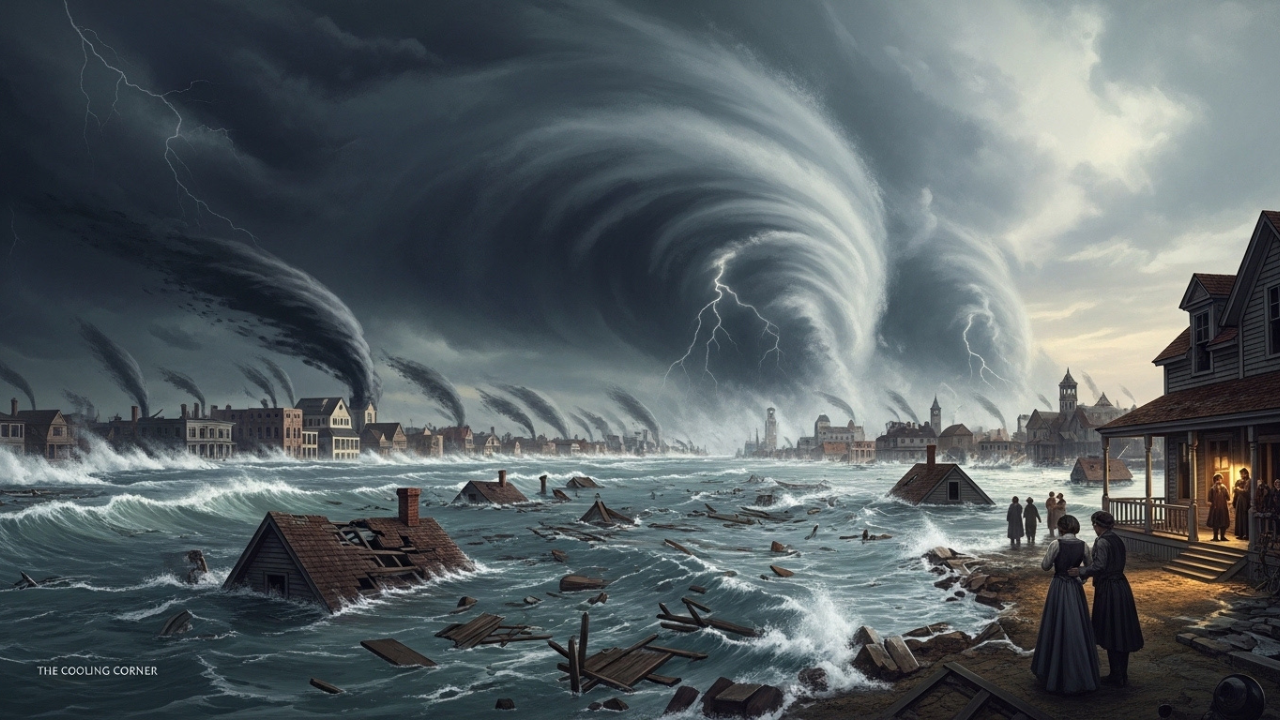
The Galveston Hurricane of 1900 stands as one of the deadliest natural disasters in American history, leaving a profound mark on both the city and its residents. As we revisit this catastrophic event, we uncover not only the devastation wrought by fierce winds and towering waves but also stories of resilience that emerged from the ruins. Through tales of loss and survival, we connect with a past that continues to shape how communities prepare for storms today. Join us as we navigate through history, exploring the legacy left behind by this tragic hurricane and how it reshaped an entire region’s future.
Overview of the Galveston Hurricane of 1900
The Galveston Hurricane of 1900 struck on September 8, unleashing catastrophic winds and torrential rains. This powerful storm made landfall with little warning, catching many residents off guard. As the hurricane approached, it intensified rapidly, leading to widespread destruction.
In its wake, the storm claimed an estimated 8,000 lives and obliterated a significant portion of the city’s infrastructure. The once-thriving port town was left in ruins. Survivors faced unimaginable challenges as they began to rebuild their shattered community amid overwhelming loss and grief.
Editors’ Recommendations
For those wanting to delve deeper into the Galveston hurricane, several books and documentaries shine a light on this tragic event. “Isaac’s Storm” by Erik Larson offers gripping insights into the meteorological science of that era while weaving personal stories.
Additionally, consider exploring the documentary “The Great Hurricane of 1900,” which provides firsthand accounts and stunning visuals. These resources capture not just the storm’s fury but also its lasting impacts on the community and beyond, enriching your understanding of this pivotal moment in history.
Explore Further
For those intrigued by the Galveston Hurricane, there are numerous resources to explore. Books detailing eyewitness accounts and historical analyses offer deep insights into that fateful day. Documentaries also capture the storm’s ferocity and its lasting effects on Texas.
Visiting Galveston today presents an opportunity to witness how the city has evolved since 1900. Museums display artifacts from that tragic event, while guided tours recount stories of survival and loss. Engaging with these narratives fosters a deeper understanding of resilience in the face of disaster.
Historical Context
The Galveston Hurricane of 1900 struck during a time when meteorological understanding was still in its infancy. The lack of advanced forecasting technology contributed to the tragedy, leaving residents unaware of the impending disaster.
As preparations unfolded, many underestimated the storm’s potential for destruction. Despite previous hurricanes impacting coastal Texas, Galveston remained unprepared for what would become one of the deadliest storms in U.
S. history. This context highlights both human resilience and vulnerability against nature’s fierce forces.
Meteorological History
The Galveston Hurricane of 1900 originated from a tropical wave in the Caribbean. It quickly intensified into a powerful storm as it moved northward, gaining strength over warm waters. Meteorologists at the time struggled to predict its trajectory and intensity.
As it approached land, barometric pressure dropped dramatically. Winds reached speeds of up to 145 miles per hour, making it one of the most ferocious hurricanes in history. The lack of advanced weather forecasting tools left residents unaware of the impending disaster that would change their lives forever.
Background and Preparations
In the days leading up to the Galveston hurricane, forecasters struggled to predict its path. Communication was limited, leaving many residents unaware of the impending disaster. The lack of advanced meteorological technology hindered effective warnings.
As awareness grew, some locals took matters into their own hands. They boarded windows and gathered supplies in preparation for a storm they believed would be significant but not catastrophic. Little did they know that what awaited them would leave an indelible mark on the city’s history and reshape their community forever.
Impact and Aftermath
The Galveston Hurricane of 1900 left a profound mark on the city and its residents. The destruction was immense, with an estimated 8,000 lives lost and homes wiped from existence. The landscape transformed overnight, leaving survivors to grapple with unimaginable loss.
In the wake of this tragedy, resilience emerged as a defining theme. Communities banded together to rebuild their lives and restore their city. New infrastructure plans were devised to prevent future disasters, showcasing human determination in the face of adversity. This spirit became an integral part of Galveston’s identity moving forward.
Regions Affected
The Galveston Hurricane of 1900 wreaked havoc primarily on the coastal city of Galveston, Texas. As one of the most populated areas at that time, it suffered catastrophic damage. Homes were destroyed, businesses obliterated, and countless lives were lost.
Beyond Galveston, surrounding towns like Beaumont and Port Arthur also faced severe impacts. Flooding inundated these regions as storm surges rose dramatically. The devastation extended far inland, showcasing not just nature’s fury but its indiscriminate reach across vulnerable communities along the Texas coastline. The aftermath marked a pivotal moment in regional history.
Themes of Resilience and Rebuilding
The Galveston Hurricane of 1900 left a scar on the landscape and its people, yet it also ignited an unparalleled spirit of resilience. In the face of unimaginable loss, survivors banded together to rebuild their community. Their determination shone through in every brick laid and roof repaired.
Reconstruction efforts transformed Galveston into a city that was not only restored but improved. New building codes emerged, emphasizing sturdier structures capable of withstanding future storms. The hurricane became a catalyst for progress, showcasing how adversity can lead to innovation and unity among those affected by tragedy.
Remembering the Devastation
The Galveston Hurricane of 1900 left an indelible mark on the city’s landscape and its inhabitants. Today, memorials stand as poignant reminders of that fateful day. The Galveston Island Historical Society plays a vital role in preserving stories from survivors and victims alike.
Each year, events are held to honor those lost, weaving their memories into the fabric of the community. These gatherings foster unity among residents while ensuring that future generations remember the hurricane’s devastating impact on life in Galveston. Through remembrance, resilience continues to thrive.
Commemoration and Memorials
Each year, the city of Galveston honors the victims of the 1900 hurricane with various commemorative events. These gatherings provide a space for reflection and remembrance. Citizens come together to share stories and learn about that fateful day.
Memorials like the Galveston Hurricane Memorial stand as powerful reminders of resilience. This site not only pays tribute to those who lost their lives but also educates future generations on climate preparedness. Through art installations and educational programs, Galveston ensures its history is never forgotten.
Reflections on History
The Galveston hurricane of 1900 left an indelible mark on the city and its residents. The sheer scale of destruction serves as a reminder of nature’s power. As we reflect on this historic tragedy, it becomes clear that the lessons learned extend beyond mere meteorology.
Understanding past mistakes helps in shaping future preparedness strategies. The resilience shown by survivors is inspiring, demonstrating human tenacity even in the face of overwhelming odds. Each anniversary brings a renewed commitment to honoring those who lost their lives and recognizing the ongoing relevance of disaster readiness today.
History teaches us not only about loss but also about recovery and strength. The memories preserved through memorials remind us that while devastation can shatter communities, unity can rebuild them stronger than before. With every story shared, we keep alive the spirit of hope ignited by those who faced one of America’s deadliest natural disasters.