
 By Robert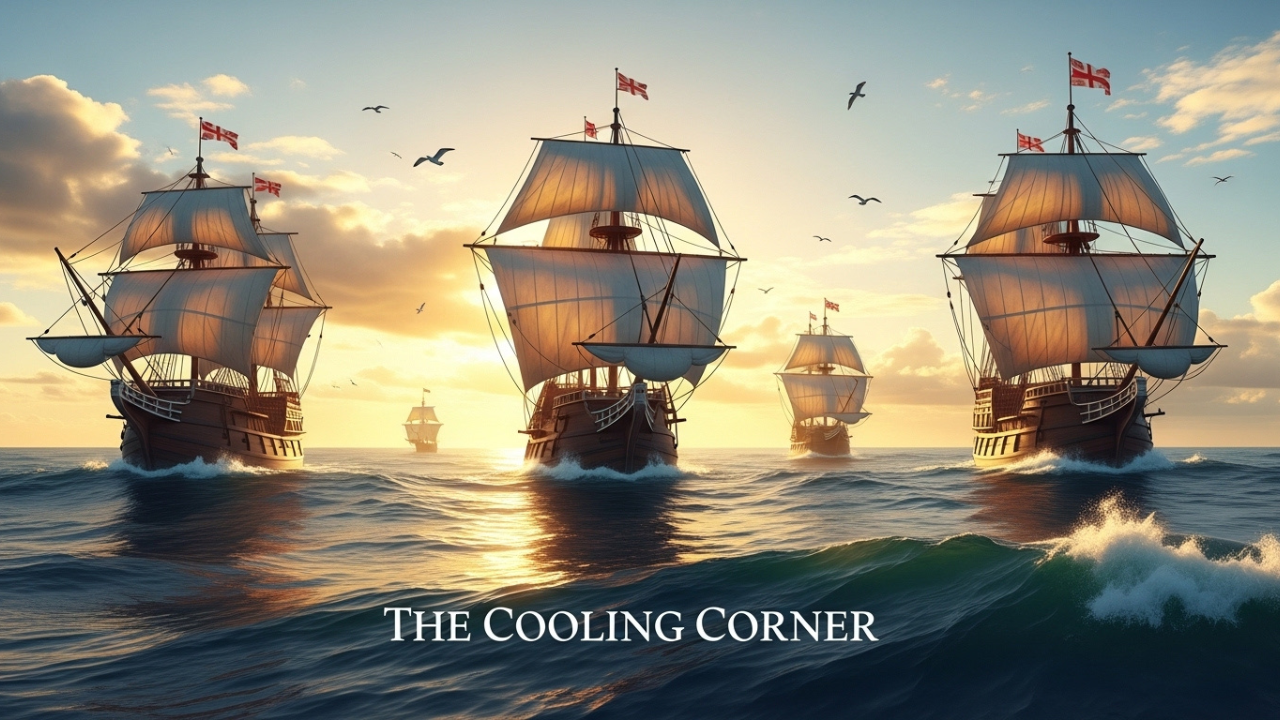
When people think about Christopher Columbus, they often picture a fleet of ships sailing across the vast Atlantic Ocean toward the unknown. The boats of Christopher Columbus have become legendary symbols of exploration, adventure, and the Age of Discovery. These three vessels—the Niña, the Pinta, and the Santa María—played a pivotal role in one of history’s most famous voyages.
But what were these ships really like? How big were they? Why were they chosen? And what happened to them after Columbus’s historic journey in 1492? In this article, we’ll explore the names, history, and fascinating facts about the boats of Christopher Columbus.
The Famous Three Ships of Christopher Columbus
Christopher Columbus set sail from Spain on August 3, 1492, with three ships:
- Santa María
- Niña
- Pinta
These ships were not massive ocean liners by modern standards. In fact, they were relatively small wooden vessels designed for trade, fishing, and coastal travel. Yet they successfully crossed the Atlantic Ocean, forever changing world history.
The names of these ships have become some of the most recognized in maritime history.
Why Columbus Needed Three Ships
Ocean exploration in the 15th century was risky business. Having multiple vessels provided several advantages:
- Increased cargo capacity
- Backup in case one ship was damaged
- More crew members
- Greater navigational support
- Improved safety during long voyages
The Spanish monarchs, King Ferdinand and Queen Isabella, funded Columbus’s expedition, understanding that multiple ships would improve the chances of success.
Santa María: The Flagship
The Santa María was the largest and most important of Columbus’s three ships.
Key Facts About Santa María
- Type: Carrack (Nao)
- Length: Approximately 58 feet
- Crew: About 40 men
- Captain: Christopher Columbus himself
As the flagship, Santa María served as Columbus’s command center throughout the voyage. It carried most of the supplies, navigation equipment, and official records.
Unlike the faster caravels, Santa María was heavier and slower, but it offered greater cargo space and stability.
The Fate of Santa María
On Christmas Day in 1492, Santa María ran aground off the coast of Hispaniola (modern-day Haiti and the Dominican Republic). The ship could not be salvaged.
Columbus ordered its timbers to be used in constructing a settlement called La Navidad, the first European settlement in the Americas.
This unfortunate accident forced Columbus to return to Spain aboard the Niña.
Niña: Columbus’s Favorite Ship
The Niña was officially named Santa Clara, but everyone referred to her by her nickname, which means “The Girl” in Spanish.
Key Facts About Niña
- Type: Caravel
- Length: Approximately 50 feet
- Crew: About 24 men
- Captain: Vicente Yáñez Pinzón
Niña quickly became Columbus’s favorite vessel. She was highly maneuverable, sturdy, and exceptionally reliable during rough seas.
Why Niña Was Special
- Better suited for ocean exploration
- Faster than Santa María
- Easier to navigate
- More resilient during storms
After the loss of Santa María, Niña became Columbus’s flagship for the return journey.
She later accompanied Columbus on additional voyages, proving her remarkable durability.
Pinta: The Fastest Ship
The Pinta was the speediest vessel in Columbus’s fleet.
Key Facts About Pinta
- Type: Caravel
- Length: Approximately 56 feet
- Crew: About 26 men
- Captain: Martín Alonso Pinzón
Pinta was renowned for her speed and agility.
Historic Achievement
On October 12, 1492, a sailor aboard Pinta, Rodrigo de Triana, first spotted land, marking one of history’s most important moments.
Without Pinta’s speed and skilled crew, Columbus’s expedition may have unfolded very differently.
Types of Ships Used by Columbus
Understanding the boats of Christopher Columbus requires knowing their designs.
Carrack (Nao)
Santa María was a carrack, a larger vessel built for cargo and long-distance trade.
Features included:
- Broad hull
- Large cargo hold
- Greater stability
- Multiple decks
Caravel
Niña and Pinta were caravels, lighter ships developed by Portuguese sailors.
Advantages included:
- Superior maneuverability
- Faster speeds
- Better performance against the wind
- Ideal for exploration
This combination of ship types gave Columbus flexibility and resilience.
Size Comparison
Modern readers are often surprised by how small Columbus’s ships actually were.
| Ship | Approximate Length | Crew |
|---|---|---|
| Santa María | 58 feet | 40 |
| Pinta | 56 feet | 26 |
| Niña | 50 feet | 24 |
To put this into perspective, Santa María was shorter than many modern fishing boats.
Life onboard was cramped, uncomfortable, and dangerous.
The Journey Across the Atlantic
Columbus departed from Palos de la Frontera, Spain, in August 1492.
Important Stops
- Canary Islands (for repairs and supplies)
- Atlantic crossing
- Bahamas landfall
After more than two months at sea, the fleet reached land on October 12, 1492.
The island was likely Guanahani, which Columbus named San Salvador.
Daily Life Aboard the Ships
Sailing in the 15th century was far from glamorous.
Conditions Included
- Crowded sleeping quarters
- Limited fresh water
- Salted meat and hardtack
- Constant exposure to weather
- Fear of storms and unknown waters
Crew members worked in rotating shifts around the clock.
Navigation relied on primitive instruments, dead reckoning, and celestial observations.
Navigation Techniques
Columbus used several methods to guide his fleet:
- Magnetic compass
- Astrolabe
- Hourglass
- Charts and maps
- Dead reckoning
Though inaccurate by modern standards, these tools enabled one of history’s greatest voyages.
The Pinzón Brothers
The success of Columbus’s voyage owed much to the experienced Pinzón brothers.
Key Leaders
- Martín Alonso Pinzón (captain of Pinta)
- Vicente Yáñez Pinzón (captain of Niña)
They were highly respected sailors who helped recruit crew and secure support.
Without them, Columbus might never have found enough men willing to undertake the dangerous journey.
What Happened to the Ships?
Santa María
Destroyed near Hispaniola in December 1492.
Niña
Continued sailing for years and served on later expeditions.
Pinta
Returned safely to Spain in 1493. Her later fate remains uncertain.
Replicas of Columbus’s Ships
Several full-scale replicas of Columbus’s ships have been built.
These replicas allow historians and tourists to experience the scale and design firsthand.
Notable replicas have toured:
- United States
- Spain
- Europe
- Latin America
They offer valuable insights into maritime history.
Myths About Columbus’s Ships
They Were Huge
In reality, they were surprisingly small.
Columbus Designed Them
He chartered existing vessels rather than designing new ones.
All Three Returned
Only Niña and Pinta made it back to Spain.
Historical Significance
The boats of Christopher Columbus symbolize a turning point in world history.
Their voyage initiated:
- European exploration of the Americas
- Permanent transatlantic contact
- Global trade networks
- Massive cultural exchanges
While Columbus remains a controversial historical figure, the maritime achievement itself remains extraordinary.
Engineering Marvels of Their Time
Despite their modest size, these ships represented cutting-edge nautical technology.
Features included:
- Lateen sails for maneuverability
- Square sails for speed
- Strong wooden hulls
- Advanced rigging systems
They were perfectly suited for exploration.
Interesting Facts About Columbus’s Ships
- Niña completed multiple transatlantic voyages.
- Pinta was the fastest ship in the fleet.
- Santa María was originally called La Gallega.
- The crew totaled around 90 men.
- Columbus preferred Niña over the other ships.
- Pinta temporarily separated from the fleet during the voyage.
Legacy in Popular Culture
The ships appear in countless:
- Books
- Films
- Museums
- Educational materials
- Paintings
Their names are instantly recognizable worldwide.
Schoolchildren have memorized them for generations.
Why These Ships Still Fascinate Us
The boats of Christopher Columbus capture the spirit of exploration.
They remind us of humanity’s desire to venture beyond known horizons.
Small, wooden, and vulnerable, these ships crossed an ocean many believed impassable.
That achievement continues to inspire adventurers, historians, and dreamers alike.
Final Thoughts
The boats of Christopher Columbus—Santa María, Niña, and Pinta—were far more than simple ships. They were instruments of discovery that altered the course of human history.
Each vessel played a unique role:
- Santa María served as the flagship.
- Niña became Columbus’s trusted favorite.
- Pinta delivered the first sighting of land.
Together, they completed one of the most consequential voyages ever undertaken.
Whether viewed through the lens of exploration, maritime engineering, or world history, the boats of Christopher Columbus remain enduring icons of courage, ambition, and transformation.