
 By Robert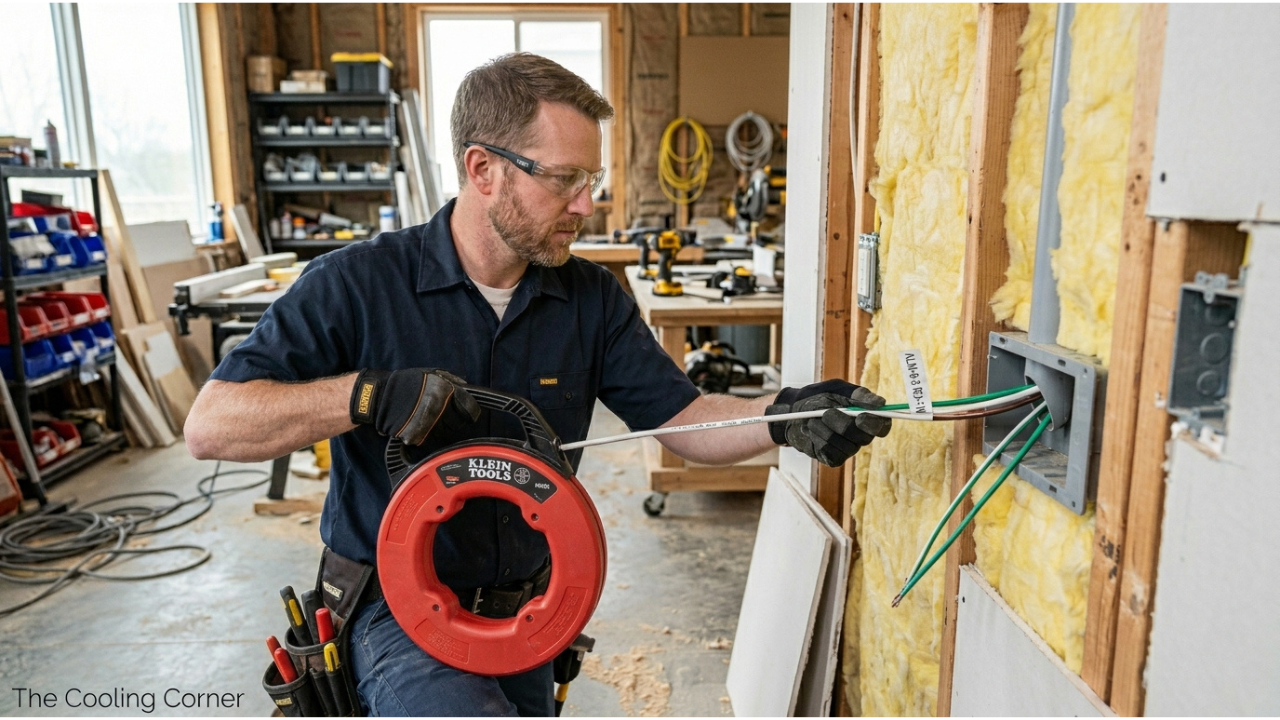
Have you ever wondered how electricians magically pull wires through walls without tearing them apart? The secret is a simple but brilliant tool called a fish tape.
Whether you’re a seasoned electrician, a contractor, or a weekend DIY enthusiast, fish tape is one of those tools that can completely transform your wiring projects. It saves time, protects your walls, and makes even the most complex wire-routing jobs manageable.
In this complete guide, we’ll cover everything you need to know about fish tape — what it is, the different types available, how to use it step-by-step, pro tips from the field, and the best brands to consider in 2026.
Let’s dive in.
What Is Fish Tape?
A fish tape (also called a draw wire, draw tape, or electrician’s snake) is a specialized tool used by electricians to route new wiring through walls, ceilings, and electrical conduit. It acts as a flexible, guided pathway that navigates the hidden spaces inside your walls and conduit systems — essentially acting as your mechanical hand reaching into places your actual hands cannot access.
The basic design consists of a flat or coiled ribbon — usually made from steel, fiberglass, or nylon — wound onto a circular housing or reel with a handle for controlled deployment. At the working end, you’ll find a hook or eyelet for securely attaching wires before pulling them through.
Fish tape lengths typically range from 25 feet to 240 feet, making them suitable for everything from small residential repairs to large commercial installations.
A Brief History
The fish tape has been a staple in electricians’ toolboxes for decades. The modern Fish Tape Snagger was invented by Keith Leroy Wilson of Colorado Springs, Colorado — owner of the Electrical Construction Co., founded in 1947. Wilson filed the original patent on March 29, 1960, and Patent #3,035,817 was awarded on May 22, 1962 by the US Patent Office. Since then, the basic function has remained unchanged, but the technology, ergonomics, and materials have improved enormously.
Types of Fish Tape: Which One Is Right for You?
Choosing the right fish tape depends heavily on the material, your working environment, and the complexity of the job. Here’s a detailed breakdown:
1. Steel Fish Tape
Steel is the classic, most widely used material for fish tape. It delivers exceptional durability and tensile strength, making it perfect for pulling thick cables through long conduit runs.
Best for:
- Straight conduit runs
- Heavy-duty industrial and commercial jobs
- Situations where pushing power is critical
Drawbacks:
- Conducts electricity — a serious safety concern around live circuits
- Heavier than alternatives, leading to fatigue over time
- Prone to rust in humid or wet environments without proper maintenance
2. Stainless Steel Fish Tape
Stainless steel combines the high tensile strength of regular steel with significantly better rust resistance. This makes it an excellent choice for electricians working in coastal areas, damp basements, or any environment where moisture and condensation are present.
3. Fiberglass Fish Tape
Fiberglass revolutionized electrical work by eliminating conductivity risks. These non-conductive tapes allow safe operation even near energized circuits, dramatically reducing the risk of electric shock.
Best for:
- Working near live wires
- Residential rewiring projects
- Wet or damp conditions (better corrosion resistance than steel)
Drawbacks:
- Can fray or splinter with aggressive use
- Slightly less pushing power than steel for very long runs
- Higher upfront cost
4. Nylon / Polyester Fish Tape
Nylon and polyester variants are lightweight, budget-friendly, and completely non-conductive. PET (polyethylene terephthalate) material fish tapes have proven to be superior and more durable than traditional fiberglass non-conductive tapes in many applications.
Best for:
- Light-duty residential tasks
- Occasional DIY projects
- Easy storage (rust-proof)
Drawbacks:
- Lacks the pushing power needed for difficult, long-run pulls
Quick Comparison Table
| Type | Conductive? | Best For | Price Range |
|---|---|---|---|
| Steel | Yes | Heavy-duty, long runs | $ |
| Stainless Steel | Yes | Humid/wet environments | $$ |
| Fiberglass | No | Near live wires, safety | $$ |
| Nylon/Polyester | No | Light DIY, budget use | $ |
Manual vs. Electric Fish Tape
Manual Fish Tape
Manual fish tape has been a staple in electricians’ toolkits for decades. It is affordable, simple to use, and effective for smaller jobs or installations. However, it can be labor-intensive for longer cable runs or when dealing with multiple bends — since you must manually feed the tape through the conduit and then pull it back once the wire is attached.
Ideal for: Homeowners, DIYers, and electricians handling small-to-medium jobs.
Electric Fish Tape
Electric fish tapes — like the Milwaukee M18 Fuel Angler — are designed to minimize physical effort and dramatically improve efficiency on large projects. The powered feed and retract functions automatically extend or reel in the tape at the push of a button.
Key features of modern electric fish tapes:
- Automatic feed and retract mechanism
- Interchangeable cartridges (steel and fiberglass)
- Brushless motor technology for longer tool life
- Ergonomic, balanced design for comfort in tight spaces
- Some models move cable at up to 130 feet per minute with up to 220 lbs of pulling force
Ideal for: Professional electricians handling large-scale or repeated installations.
Cost note: Electric fish tapes are significantly more expensive than manual options, but the investment pays off quickly through increased productivity and reduced physical strain on big projects.
How to Use Fish Tape: Step-by-Step Guide
Whether you’re using a manual or electric model, the basic process remains the same. Here’s a detailed walkthrough:
Step 1: Plan Your Wire Path
Before you start, carefully plan the route your wire will take. Identify any obstacles — insulation, existing wires, structural elements — and find the best path that minimizes bends. Remember: when possible, feed from the end with fewer bends. This reduces cumulative friction and makes the pull much easier.
Step 2: Prepare the Fish Tape
Unreel a portion of the fish tape from its housing — only extend enough to reach through the conduit or wall. Check the tape and leader for any corrosion, cracks, or wear before you begin.
Step 3: Feed the Fish Tape Through
Push the fish tape through the conduit or wall opening with steady, consistent forward pressure. If you encounter resistance, pull back slightly and refeed — forcing forward creates kinks that permanently weaken the tape. For longer runs or multiple bends, use wire-pulling lubricant to reduce friction significantly.
Pro Tip: If you encounter insulation inside a wall cavity, try to go around it rather than through it.
Step 4: Attach the Wire
Once the fish tape reaches the other side, strip a small section of insulation from each conductor to expose the copper. Thread the copper through the fish tape’s eyelet, twist the conductors tightly around the tape, and wrap everything firmly with electrical tape to form a smooth, tapered connection. This connection — called the “head” — is the most critical part of the pull. It must be tight enough not to pull off, yet flexible enough to navigate bends.
Step 5: Pull the Tape Back
With the wire securely attached, pull the fish tape back through the conduit with steady, consistent pressure. Avoid jerking motions that could cause the wire to detach or damage insulation. If you have a partner feeding wire from the other end, communicate steadily and develop a rhythm — pull a few feet at a time.
Pro Tip: When approaching bends, push slightly before the bend and pull steadily to pass through it. This is where finesse matters — pull hard enough to get past the bend, but not so hard that you break the wire loose from the tape.
Step 6: Detach and Finish
Once the wire has been pulled through, unwrap the electrical tape and detach the wire from the fish tape. Leave enough wire at both ends to make your electrical connections comfortably.
Step 7: Clean and Store the Fish Tape
Reel the fish tape back into its housing. Keep it clean of dirt and built-up lubricant by washing with gentle detergent and warm water. Make sure the tape is completely dry before storing, especially if it has been exposed to moisture — this prevents rust and significantly extends the tool’s life.
9 Pro Tips for Using Fish Tape Safely and Effectively
- Wear heavy-duty gloves when working with fish tape — sharp edges or burrs can cut bare hands.
- Coordinate with your partner — while feeding wire, develop a steady tempo of pulling just a few feet at a time.
- Keep tape clean — dirty tape is difficult to extend and retract. Regular cleaning with warm soapy water keeps it running smoothly.
- Use lubricant on long or multi-bend runs — wire-pulling lubricant dramatically cuts friction and makes the job much easier.
- Choose fiberglass near live circuits — steel tape conducts electricity; always use non-conductive tape when working near energized wiring.
- Navigate around insulation — try not to push through insulation, but rather guide around it.
- Disconnect power before running tape in conduit with existing wires — always practice Lockout/Tagout procedures around energized circuits.
- Use staged pulls for very long runs — on runs with three or more bends, break the job into stages using accessible junction boxes.
- Inspect before every use — check leaders and tape for corrosion, cracks, or other wear that could cause breakage mid-pull.
Fish Tape vs. Fish Rods: What’s the Difference?
Many newcomers confuse fish tape with fish rods (also called fish sticks or fish poles). Here’s the key difference:
- Fish Tape: Flexible, long-range tool ideal for navigating bends and enclosed conduit runs. Best for lengths from 25 to 240+ feet.
- Fish Rods / Sticks: Rigid, segmented poles ideal for short, straight runs — such as over drop ceilings, behind walls with insulation, or in panel work. They offer better steering precision for short distances.
Rule of thumb: Fish tape wins on length and enclosed conduit runs. Fish rods win on steering precision for short wall cavities.
Top Fish Tape Brands in 2026
Here are the most trusted brands in the market:
Klein Tools
One of the most respected names in electrical tools. Klein fish tapes are available in lengths from 25 to 250 feet with excellent durability and ergonomic housing design.
IDEAL Industries
A century-old electrician-focused company known for high-quality fish tapes. Their S-Class non-conductive fiberglass tapes feature a non-conductive, non-arcing eyelet tip — a major safety advancement. Their cases are drop-tested and designed to withstand real job-site abuse.
Milwaukee Tool (M18 Fuel Angler)
Milwaukee brought electric fish tape into the mainstream with the world’s first battery-powered fish tape. Using M18 FUEL brushless motor technology, it automatically feeds and retracts tape and is compatible with both steel and non-conductive polyester cartridges.
Greenlee
Known for innovation, Greenlee’s Reel-X features a free-spinning interior reel that eliminates binding and reduces the force needed to feed and pull tape — significantly reducing fatigue on long jobs.
Southwire
A strong choice for contractors, Southwire offers both traditional and advanced tape options, including PET material tapes that outperform traditional fiberglass in durability.
Common Fish Tape Mistakes to Avoid
- Forcing the tape when it binds — always pull back and refeed. Forcing forward permanently kinks and weakens the tape.
- Poor wire attachment — a loose head is the number one reason wires get stuck mid-pull. Take the time to make a solid connection.
- Skipping lubricant on long runs — friction is your enemy on anything longer than 50 feet with bends.
- Using steel near live circuits — always verify power is off, or switch to non-conductive tape.
- Storing tape wet — moisture leads to rust (on steel tapes) and deterioration over time.
FAQs
Q: How far can a fish tape reach? Most models range from 25 to 240 feet depending on material and width. For very long runs, staged pulls are recommended.
Q: Can fish tape damage existing wiring? Yes. Aggressive feeding can scrape insulation on existing wires. Always feed slowly and steadily.
Q: Do I need lubricant for short runs? Short, straight runs generally do not require it. Longer runs or those with multiple bends benefit significantly from wire-pulling lubricant.
Q: Steel or fiberglass for conduit pulls? Steel pushes better through resistance. Fiberglass is the safer choice when there is any uncertainty about energized circuits.
Q: Can one person use fish tape alone? Yes! Many professionals work solo. The key is developing a steady pull rhythm and using good lubricant. Electric fish tapes make solo work even more practical.
Final Thoughts
Fish tape is one of those tools that seems simple on the surface but makes an enormous difference in the quality and efficiency of any electrical installation. Whether you’re a professional electrician routing conductors through commercial conduit or a homeowner adding a new outlet, understanding fish tape — the right type, the right technique, and the right safety precautions — will save you time, money, and frustration.
From traditional steel options to modern battery-powered electric models, there has never been a better selection of fish tape tools available than today. Choose the right one for your project, follow the step-by-step process, and you’ll be pulling wire like a pro in no time.