
 By Robert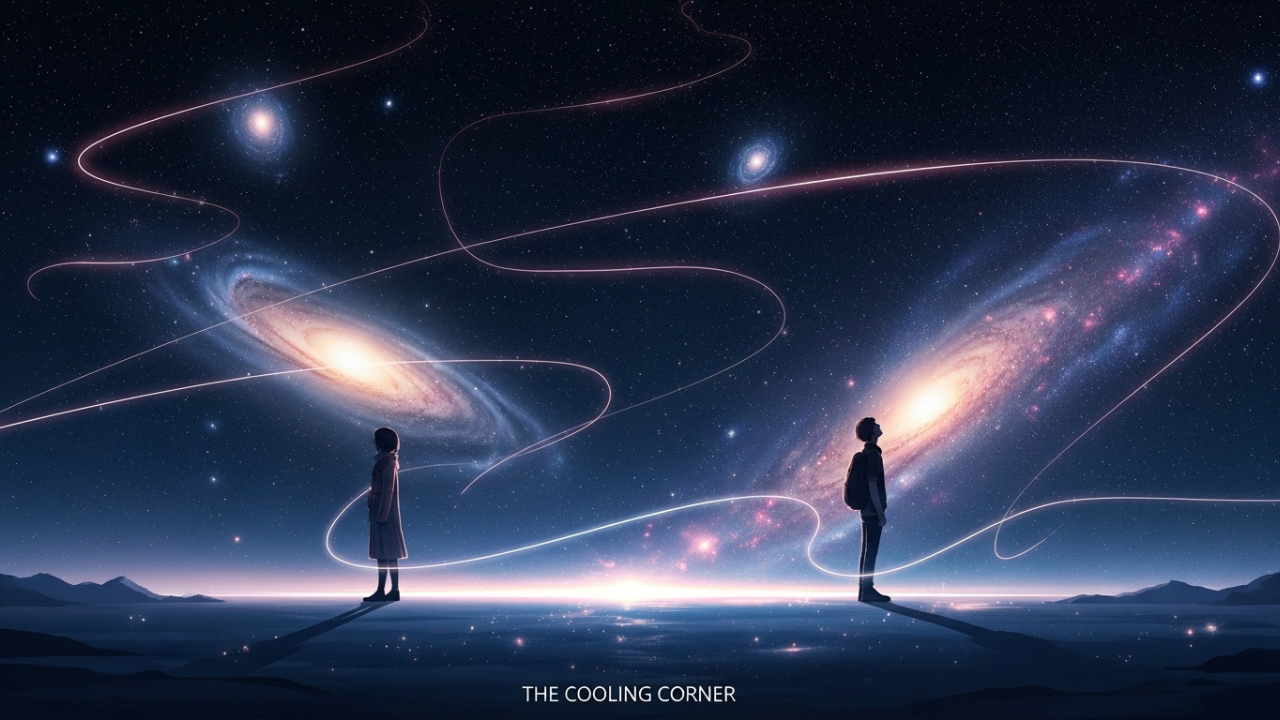
In a world filled with mysteries, few ideas capture the imagination quite like invisible string theory. Whether you’ve heard it in a romantic context, seen it discussed on social media, or confused it with advanced physics, this concept sits at a fascinating crossroads of emotion, philosophy, and science.
But what exactly is invisible string theory? Is it rooted in real science, or is it simply a poetic way of describing human connection? Let’s dive deep into this intriguing idea and uncover whether it’s myth, science, or something in between.
What Is Invisible String Theory?
At its core, invisible string theory suggests that people, events, or even outcomes are connected by unseen forces—like invisible threads that guide relationships and life paths.
This idea often appears in two main contexts:
- Emotional/romantic meaning: The belief that two people are destined to meet because they are connected by an invisible string.
- Scientific confusion: A mix-up with string theory in physics, which is a legitimate scientific framework.
While the emotional interpretation leans toward philosophy and storytelling, the scientific angle brings us into the realm of theoretical physics.
The Origins of the Invisible String Idea
The concept of invisible connections isn’t new. It has roots in ancient folklore, especially in East Asian traditions.
The Red String of Fate
One of the earliest versions comes from the Chinese and Japanese legend of the Red String of Fate, which says:
- People who are meant to meet are connected by an invisible red thread.
- The string may stretch or tangle, but it never breaks.
- Destiny ensures these individuals will cross paths.
Over time, this myth evolved into the modern idea of invisible string theory, especially in popular culture and social media.
Invisible String Theory in Modern Culture
Today, invisible string theory is widely used as a metaphor for connection, especially in:
- Romantic relationships
- Friendships
- Life coincidences
- Career paths
Many people use it to explain moments like:
- Meeting someone unexpectedly who changes your life
- Running into the same person repeatedly
- Feeling an instant connection with a stranger
These experiences often feel too meaningful to be random, which is why the invisible string idea resonates so deeply.
Is Invisible String Theory Real Science?
Here’s where things get interesting. Despite its name, invisible string theory is not a recognized scientific theory.
However, it is often confused with string theory in physics.
What Is String Theory?
In physics, string theory suggests that:
- The smallest building blocks of the universe are not particles, but tiny vibrating strings.
- These strings exist at a microscopic level beyond direct observation.
- Different vibrations create different particles.
While fascinating, this scientific theory has nothing to do with human relationships or destiny.
So, although invisible string theory borrows its name from science, it is not scientifically proven.
The Psychology Behind Invisible Connections
Even if invisible string theory isn’t scientific, psychology offers insights into why it feels real.
1. Pattern Recognition
Humans are naturally wired to find patterns. When two events seem connected, our brains try to link them—even if the connection is coincidental.
2. Confirmation Bias
We tend to remember meaningful coincidences and ignore random ones. This makes it seem like certain events are “meant to happen.”
3. Emotional Significance
When something has emotional weight—like meeting a soulmate—it feels purposeful rather than accidental.
These psychological factors make invisible string theory feel believable, even without scientific evidence.
Coincidence vs. Destiny
One of the biggest questions surrounding invisible string theory is whether life events are driven by:
- Chance, or
- Destiny
The Case for Coincidence
Science generally supports the idea that:
- The universe operates on probability and randomness
- Unlikely events can still happen naturally
- Human perception adds meaning to neutral events
The Case for Destiny
On the other hand, many people believe:
- Life has a predetermined path
- Certain relationships are meant to happen
- There is a deeper force guiding events
Invisible string theory often sits between these two perspectives, offering a comforting middle ground.
Invisible String Theory in Relationships
One of the most popular uses of invisible string theory is in love and relationships.
Why People Believe in It
- It gives meaning to unexpected encounters
- It reinforces the idea of soulmates
- It creates emotional comfort and hope
Real-Life Examples
People often connect invisible string theory to moments like:
- Meeting a partner in an unlikely place
- Discovering shared experiences or connections
- Crossing paths multiple times before finally connecting
These stories make the idea feel almost magical.
Social Media and the Rise of the Trend
Invisible string theory has gained massive popularity thanks to platforms like TikTok, Instagram, and blogs.
Content creators often share:
- “Proof” of invisible connections
- Coincidental life stories
- Romantic narratives tied to fate
This has helped turn the concept into a viral trend, especially among younger audiences.
Philosophical Perspective: Meaning in a Random World
From a philosophical standpoint, invisible string theory reflects a deeper human need:
The desire for meaning.
Life can feel chaotic and unpredictable. The idea that everything is connected offers:
- Comfort during uncertainty
- A sense of purpose
- Hope that things happen for a reason
Even if it’s not scientifically proven, its emotional impact is powerful.
Scientific Alternatives to the Idea
While invisible string theory isn’t real science, there are concepts that explain interconnectedness in more grounded ways:
1. The Butterfly Effect
Small actions can lead to large consequences over time. This shows how events can be indirectly connected.
2. Social Networks
Humans are connected through complex social systems, making “coincidental” meetings more likely than they seem.
3. Probability Theory
With billions of people and countless interactions, unlikely events are bound to happen.
These explanations don’t rely on destiny, but they still show how interconnected life can be.
Myth, Science, or Reality?
So where does invisible string theory stand?
Myth
It clearly has roots in folklore and storytelling, especially with the Red String of Fate.
Science
It is not supported by scientific evidence, though it’s often confused with real physics theories.
Reality
In a way, it exists as a psychological and emotional reality:
- It shapes how people interpret their experiences
- It influences relationships and beliefs
- It provides comfort and meaning
Why the Idea Continues to Thrive
Invisible string theory continues to grow in popularity because it speaks to universal human emotions:
- Love
- Curiosity
- Hope
- Wonder
In a fast-paced, uncertain world, the idea that something unseen is guiding us is incredibly appealing.
Final Thoughts
Invisible string theory may not be a scientific fact, but it doesn’t need to be to have value.
It lives in the space between imagination and emotion—a place where logic meets belief. Whether you see it as a myth, a metaphor, or a personal truth, it offers a beautiful way to understand connection.
At the end of the day, perhaps the real question isn’t whether invisible string theory is real—but whether it helps us see the world in a more meaningful way.
And if it does, maybe that’s reason enough to believe in it.