
 By Robert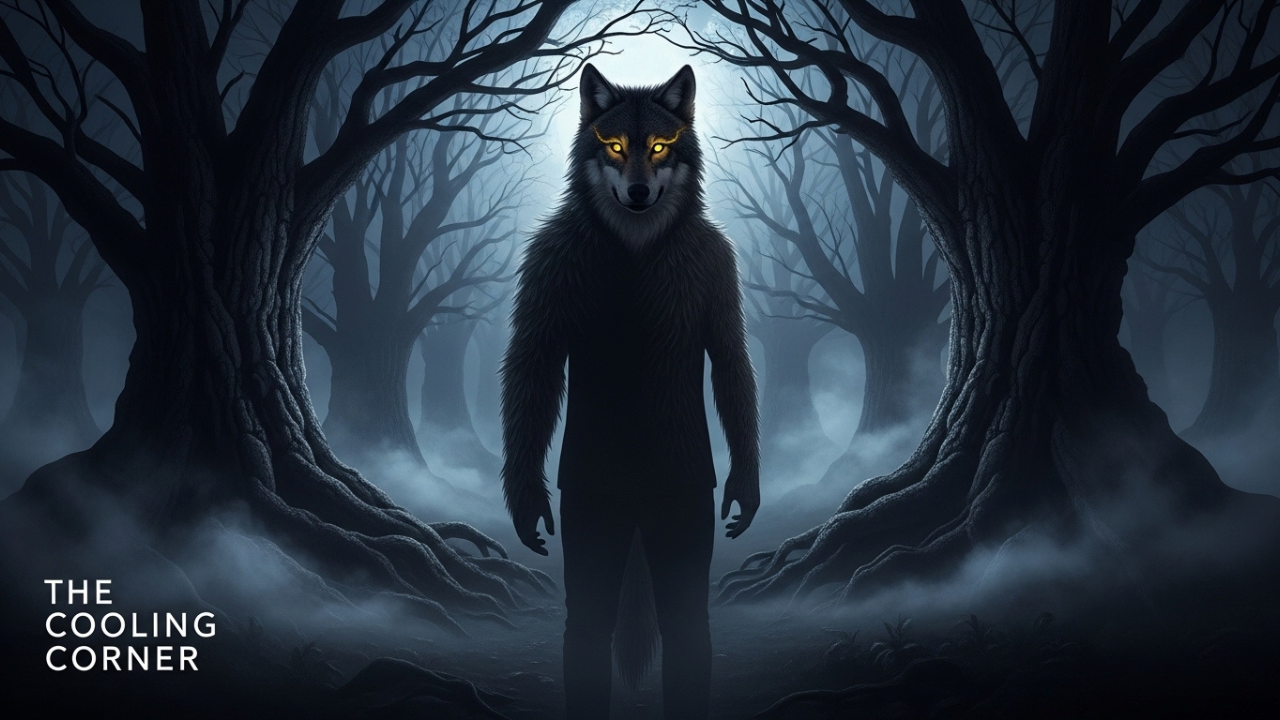
Stories of mysterious shape-shifting beings have existed for centuries across cultures worldwide. Among the most chilling and widely discussed are skinwalkers—figures deeply rooted in Native American folklore. But the question remains: are skinwalkers real, or are they simply myths passed down through generations?
In this detailed guide, we’ll explore the origins, cultural significance, sightings, and modern interpretations of skinwalkers to uncover the truth behind this eerie legend.
What Is a Skinwalker?
Skinwalkers are not just fictional characters; they are part of a sacred and serious belief system within Navajo culture. In traditional teachings:
- Skinwalkers are witches who have chosen to use their powers for evil.
- They gain abilities through taboo rituals, often involving harm to loved ones.
- They can transform into animals such as wolves, coyotes, owls, or crows.
It’s important to note that discussing skinwalkers openly is often considered taboo within the Navajo community. These stories are treated with respect and caution, not as entertainment.
Common Traits and Abilities
Descriptions of skinwalkers vary, but several common traits appear repeatedly in stories and alleged encounters:
Shape-Shifting
Skinwalkers can transform into animals, often those associated with stealth or danger. Common forms include:
- Wolves
- Coyotes
- Foxes
- Birds like owls or ravens
Mimicry
One of the most unsettling abilities attributed to skinwalkers is their power to mimic human voices. Victims report hearing familiar voices calling their names, only to find no one there.
Superhuman Speed and Strength
Skinwalkers are often described as moving unnaturally fast, sometimes keeping pace with vehicles.
Glowing Eyes
Many encounters include descriptions of glowing or reflective eyes, especially in the dark.
Psychological Manipulation
Some stories suggest skinwalkers can instill fear, paranoia, or confusion in their targets.
One particularly famous location tied to paranormal activity is Skinwalker Ranch. This site has gained widespread attention for reports of strange creatures, UFO sightings, and unexplained phenomena.
Skinwalkers in Modern Pop Culture
In recent years, skinwalkers have become popular in movies, TV shows, and online discussions. Social media platforms have amplified their mystique, with countless users sharing alleged encounters and creepy stories.
However, many of these portrayals are exaggerated or inaccurate. They often blend skinwalker lore with other supernatural creatures like werewolves, which are entirely different in origin and meaning.
Reported Encounters: Fact or Fiction?
There are numerous personal accounts of skinwalker sightings. Common elements in these stories include:
- Strange animal behavior (animals acting aggressively or unnaturally)
- Hearing voices in isolated areas
- Seeing creatures that appear part-human, part-animal
- Sudden feelings of dread or being watched
While these stories are compelling, there is no scientific evidence to confirm the existence of skinwalkers. Most experts attribute these experiences to:
- Psychological factors (fear, suggestion, anxiety)
- Misidentified animals
- Cultural influence and storytelling traditions
Scientific and Skeptical Perspectives
From a scientific standpoint, skinwalkers fall into the category of folklore rather than reality. There is no verified proof that humans can shapeshift or possess supernatural abilities.
Skeptics argue that:
- Human perception can be unreliable, especially in dark or stressful situations
- Folklore can shape how people interpret unexplained events
- Stories evolve and become more dramatic over time
Cultural Respect and Sensitivity
It’s crucial to approach the topic of skinwalkers with respect. For the Navajo Nation and other Indigenous communities, these beliefs are deeply spiritual and not meant for casual discussion or entertainment.
Misrepresenting or sensationalizing skinwalkers can be seen as disrespectful. If you’re exploring this topic, it’s important to:
- Avoid mocking or trivializing the belief
- Understand its cultural context
-
Skinwalkers vs. Werewolves: Key Differences
Many people confuse skinwalkers with werewolves, but they are very different:
| Feature | Skinwalkers | Werewolves |
|---|---|---|
| Origin | Navajo folklore | European folklore |
| Nature | Human witches | Cursed individuals |
| Transformation | Voluntary | Often involuntary |
| Purpose | Usually malicious | Varies |
| Cultural Role | Spiritual and taboo | Mythical storytelling |
Understanding these differences helps prevent misinformation and preserves cultural accuracy.
Why Do Skinwalker Stories Persist?
Skinwalker legends continue to thrive for several reasons:
Fear of the Unknown
Cultural Storytelling
These stories have been passed down for generations, evolving with time.
Modern Media Influence
Internet platforms and horror content have amplified these legends, reaching global audiences.
Psychological Impact
Fear-based stories tend to stick in our minds longer, making them more memorable and shareable.
Are Skinwalkers Real?
So, are skinwalkers real?
The answer depends on perspective:
- Culturally and spiritually: Yes, skinwalkers are real within the belief systems of certain Indigenous communities.
- Scientifically: There is no evidence to support their existence as physical, shapeshifting beings.
This dual perspective highlights the difference between belief and empirical proof.
Final Thoughts
Skinwalkers remain one of the most fascinating and unsettling figures in folklore. Whether viewed as myth, legend, or spiritual reality, they offer insight into cultural traditions, human fears, and the power of storytelling.
While science may not confirm their existence, the stories themselves carry meaning—reflecting moral lessons, cultural values, and the mysteries that continue to captivate us.
If you ever find yourself in the quiet deserts of the American Southwest, listening to the wind howl through the night, you might just understand why these legends endure