
 By Robert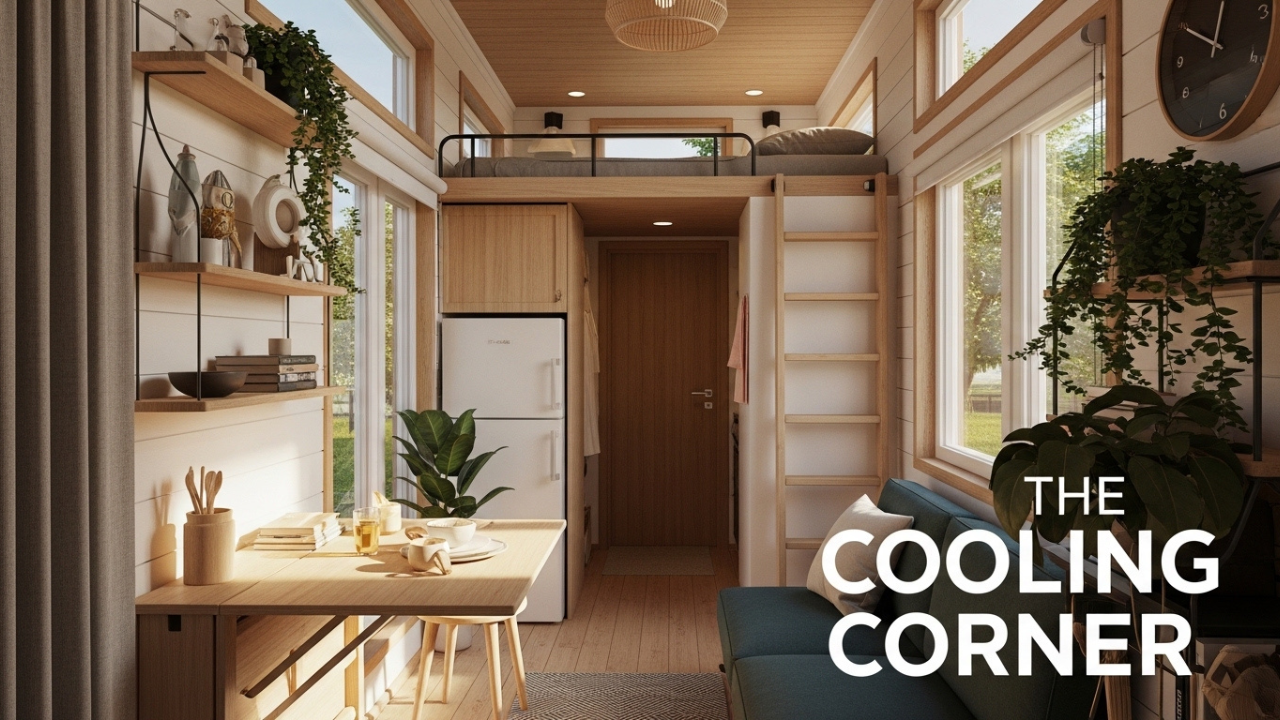
Have you ever dreamed of living simply, surrounded by nature, and free from the clutter of modern life? Welcome to the tiny little house movement! This lifestyle isn’t just a trend; it’s a revolution. People are downsizing their homes and embracing minimalism, finding joy in simplicity and sustainability. Whether you’re curious about going tiny or simply want to learn more about this unique way of living, you’re in the right place. Let’s dive into what makes tiny living so appealing and explore everything you need for your cozy haven.
Tiny Living Essentials: What You Need for Your Little Haven
Creating your little haven requires thoughtful planning and essential items that maximize space without sacrificing comfort. Start with versatile furniture, like a foldable table or a murphy bed, which can adapt to your needs. Multi-functional pieces are key, transforming spaces seamlessly from day to night.
Don’t overlook storage solutions that make the most of vertical space. Shelves and under-bed storage keep things organized while maintaining an airy feel. Incorporate cozy textiles and personal touches to warm up the environment, turning your tiny home into a personalized sanctuary you’ll love coming back to every day.
Overview of the Tiny House Movement
The tiny house movement has gained significant momentum in recent years, as more individuals seek to downsize and simplify their lives. This lifestyle promotes living minimally, often in homes under 400 square feet. People are drawn to the idea of reducing clutter and focusing on experiences rather than possessions.
Advocates argue that tiny living fosters sustainability and financial freedom. By embracing a smaller footprint, residents can reduce energy consumption and live with less debt. The movement encompasses various designs— from mobile homes to stationary units— each reflecting personal values and creativity while challenging traditional housing norms.
Background and Current State
The tiny little house movement started gaining momentum in the late 1990s and early 2000s. Inspired by a desire for simplicity and sustainability, many individuals began to downsize their living spaces. This lifestyle choice appealed to those seeking financial freedom, minimalism, or an eco-friendly way of life.
Today, the movement has evolved significantly. Tiny homes can be found in urban settings and rural landscapes alike. With innovative designs and diverse styles, they cater to various needs and preferences. The rise of social media has also played a vital role in promoting this trend, connecting enthusiasts worldwide.
Practical Considerations for Tiny Living
When embracing the tiny little house movement, practical considerations play a vital role in your transition. First, assess your daily needs. What essentials do you truly use? Prioritize items that serve multiple purposes and cut down on clutter.
Next, think about utilities and resources. Water access, waste management, and energy sources should be at the forefront of your planning. Understanding these aspects ensures a smooth living experience while maximizing functionality in your compact space.
Off-Grid Systems and Efficiency
Off-grid living is a cornerstone of the tiny little house movement. It promotes self-sufficiency by utilizing renewable energy sources like solar panels and wind turbines. These systems reduce reliance on traditional utilities, making your tiny home both eco-friendly and cost-effective.
Water management is equally crucial for efficient off-grid living. Rainwater harvesting systems and composting toilets can significantly lower resource consumption. Together, these strategies enhance your home’s sustainability while allowing you to enjoy the freedom that comes with being disconnected from the grid.
Space Optimization and Design Tips
Maximizing space in a tiny home requires creative thinking. Multi-functional furniture is a game changer; think sofas that convert into beds or coffee tables with storage. Wall-mounted shelves can hold books and décor, freeing up precious floor space.
Use vertical designs to your advantage. Tall cabinets and lofted sleeping areas make the most of height while keeping living areas open. Clear bins help keep items organized and visible, reducing clutter. Embrace light colors to create an illusion of spaciousness, making your little haven feel larger than life.
Sustainability in Tiny Living
Sustainability is at the heart of the tiny little house movement. By living in smaller spaces, individuals naturally reduce their carbon footprints. Tiny homes often use fewer resources and less energy, promoting a minimalist lifestyle that emphasizes quality over quantity.
Many tiny homeowners embrace renewable energy sources like solar panels and wind turbines. They also focus on water conservation techniques, such as rainwater harvesting systems. This commitment to eco-friendly practices not only benefits the environment but fosters a sense of community among those who prioritize sustainable living choices.
Eco-Friendly Practices and Materials
Choosing eco-friendly practices and materials is essential in the tiny little house movement. Opt for sustainable building materials like reclaimed wood, bamboo, or recycled metals. These options not only reduce waste but also minimize your carbon footprint.
Incorporating energy-efficient appliances and fixtures can further enhance sustainability. Solar panels, composting toilets, and rainwater harvesting systems contribute to a self-sufficient lifestyle. Each choice reflects a commitment to the environment while creating a comfortable space that feels uniquely yours. Embracing these practices allows you to enjoy modern living without compromising on ecological responsibility.
Impact on Sustainable Living Movement
The tiny little house movement plays a significant role in promoting sustainable living. By embracing minimalism, individuals reduce their consumption and waste. This shift encourages people to reevaluate what they truly need versus what society tells them they should want.
Moreover, tiny homes often utilize eco-friendly materials and energy-efficient systems. These choices inspire others to consider greener alternatives in their own lives. The ripple effect of this movement fosters awareness around environmental issues and emphasizes the importance of mindful living. As more people adopt tiny living, the community strengthens the commitment to sustainability for future generations.
Personalizing Your Tiny Home
Personalizing your tiny home is all about reflecting your unique style. Use colors, patterns, and textures that resonate with you. Small decorative items can make a big impact—think wall art or handmade crafts that tell your story.
Consider multifunctional furniture that doubles as storage while showcasing your personality. A cozy reading nook with plush cushions or a vibrant gallery wall can transform any corner into a personal retreat. Remember, in the tiny little house movement, every detail counts in creating a space that’s truly yours. Embrace creativity and let your individuality shine through!
Creative Storage Solutions
Maximizing space in a tiny little house requires innovative storage solutions. Look for multi-functional furniture, like ottomans with hidden compartments or beds with drawers underneath. Wall-mounted shelves and hooks can also transform vertical spaces into functional areas without sacrificing floor room.
Consider using under-stair nooks or the area above cabinets for additional storage. Baskets and bins can help keep clutter organized while adding character to your home. Embrace creativity by repurposing everyday items, turning them into unique storage options that reflect your personality and enhance your living environment.
Essential Furnishings and Décor
Choosing the right furnishings for your tiny little house movement home is crucial. Opt for multi-functional pieces that serve more than one purpose, like a sofa bed or a foldable dining table. This keeps your space open and inviting while maximizing utility.
When it comes to décor, think minimal yet meaningful. Use wall art to reflect your personality without cluttering surfaces. Natural light can be enhanced with mirrors, making the space feel larger and brighter. Incorporate plants to add life and freshness, reminding you of nature in your cozy retreat.
Challenges and Rewards of Tiny Living
Tiny living comes with its fair share of challenges. Space constraints often mean sacrificing belongings that hold sentimental value. Adjusting to a more minimalist lifestyle can be tough, especially when it feels like you have less room for comfort and personal expression.
On the flip side, embracing tiny living brings immense rewards. You’ll enjoy lower expenses, reduced maintenance, and an overall simpler life. The freedom that comes from decluttering your possessions is liberating. Many find deeper connections within their communities while sharing similar values in the tiny little house movement.
Financial Considerations and Long-Term Prospects
Embracing the tiny little house movement often leads to significant financial benefits. With lower costs for materials and minimal square footage, homeowners can drastically reduce their mortgage or rent expenses. Tiny living also encourages a decluttered lifestyle, allowing individuals to prioritize experiences over possessions.
Long-term prospects are promising as well. As housing prices continue to rise, tiny homes offer an alternative that remains affordable. Additionally, they typically have lower utility bills and maintenance costs. This sustainable choice can lead not only to financial freedom but also a healthier connection with one’s environment and community.
Community and Support Networks in the Movement
The tiny little house movement thrives on community and support networks. Many individuals find inspiration and encouragement through local groups, online forums, and social media platforms dedicated to tiny living. These spaces foster a sense of belonging among those who share similar values.
Support networks offer resources for everything from building tips to financial advice. They create opportunities for workshops and meet-ups where people can exchange ideas and experiences. Sharing stories about challenges faced in downsizing or design choices is invaluable.
As the movement grows, so does the camaraderie within it. Tiny home enthusiasts often band together to advocate for zoning changes or sustainable practices in their regions. This collective effort not only strengthens individual journeys but also elevates the entire tiny living ethos.
Being part of such a vibrant community helps you feel connected while navigating your unique path in this lifestyle choice. The friendships formed along the way enrich your experience as you embrace simplicity and sustainability in your little haven.