
 By Robert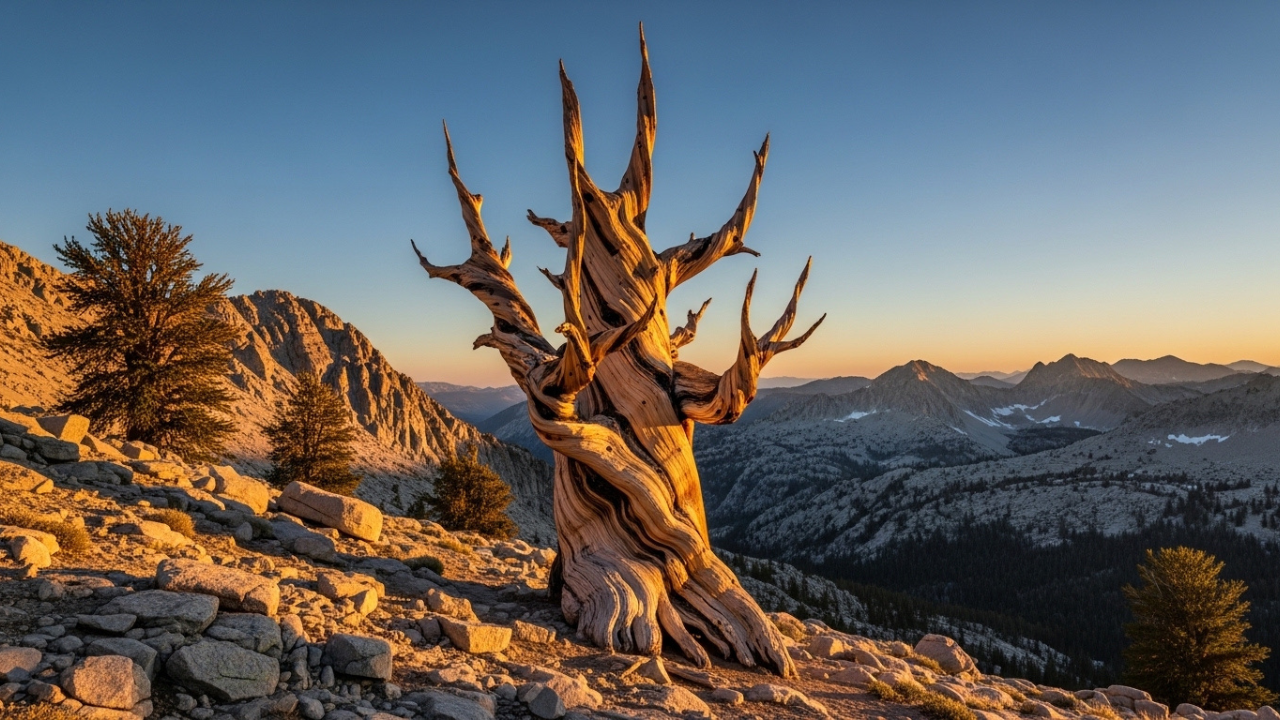
Nestled high in the White Mountains of California, Methuselah reigns as a silent guardian of time. This ancient bristlecone pine holds not just rings of wood but stories spanning nearly five millennia. Imagine witnessing the rise and fall of empires or feeling the whispers of history echoing through its gnarled branches. As you step into this ethereal realm, you meet more than just a tree; you encounter an enduring symbol of resilience and survival.
But what makes Methuselah so extraordinary? How did it come to bear witness to centuries that have shaped our world? Join us on an incredible journey as we explore the life and legacy of the oldest tree in the world, unraveling its significance and uncovering how it has captured hearts for generations. From discovery by intrepid scientists to modern conservation efforts aimed at protecting this natural wonder, Methuselah’s tale is one that transcends time itself.
Methuselah: The World’s Oldest Living Tree
Methuselah stands as a testament to nature’s endurance. This remarkable tree, part of the ancient bristlecone pine family, has managed to thrive in one of the harshest environments on Earth. Perched at an elevation exceeding 10,000 feet, it faces fierce winds and extreme temperatures but continues to grow against all odds.
The tree’s location is carefully guarded by scientists and conservationists alike. They understand that Methuselah’s survival depends on its isolation from human intervention and environmental threats. This secrecy adds an air of mystique surrounding its existence; many enthusiasts yearn for a glimpse of this living relic.
Each ring within Methuselah tells a story—a story filled with triumphs and struggles over centuries marked by tumultuous changes in climate and ecosystem. While much about the world around it has transformed, this resilient giant remains steadfast through time.
Scientists have studied Methuselah extensively to unlock secrets about longevity and survival strategies in trees. The knowledge gained from observing this oldest tree in the world can shed light on how we might better protect our forests today.
Visitors who come to appreciate Methuselah often leave feeling profoundly connected to nature’s history. Standing before such an ancient being evokes emotions that remind us how important it is to honor our planet’s treasures.
Methuselah: An Introduction
Meet Methuselah, the world’s oldest living tree, a remarkable testament to nature’s resilience. Nestled in the White Mountains of California, this ancient bristlecone pine has captivated scientists and nature enthusiasts alike for centuries.
At first glance, Methuselah may seem like any other tree. Its gnarled branches twist towards the sky and its bark bears the scars of time. Yet there’s something extraordinary about this sentinel of history that sets it apart from all others.
Methuselah is estimated to be over 4,800 years old. This longevity makes it not just one of the oldest trees in the world but also an invaluable link to our past. It has witnessed countless changes—climate shifts, geological upheavals, and human activity—all while standing steadfastly against natural elements.
Growing at high altitudes where conditions are harsh adds to its uniqueness. The thin air and rocky soil have shaped Methuselah into a survivor with remarkable adaptations that allow it to thrive despite adversity.
Every year, visitors trek through rugged terrain hoping for a glimpse of this legendary giant. For many who make the journey, standing in its presence inspires awe and appreciation for life itself—a silent reminder that some stories take millennia to unfold.
The Discovery of Methuselah
In the 1950s, a young scientist named Edmund Schulman stumbled upon something extraordinary in California’s White Mountains. As he studied the ancient bristlecone pines, he noticed one tree that stood apart from all others. This tree would come to be known as Methuselah.
Schulman was intrigued by the unique characteristics of this particular pine. Its gnarled bark and twisted branches hinted at a story written over thousands of years. The challenge was to determine its age accurately. Using core samples, Schulman revealed an astonishing truth about this living organism.
After extensive research and careful counting of growth rings, it became clear: Methuselah was more than just old; it was remarkable for its resilience and longevity. News spread quickly among scientists and nature enthusiasts alike.
To protect this natural wonder, Schulman chose not to disclose its exact location initially. He understood that such knowledge could invite vandalism or damage from curious visitors eager to witness the oldest tree in the world firsthand.
The secret remained safe for several decades until a few dedicated researchers decided it was time for everyone to appreciate Methuselah’s significance properly. Today, while many still seek out this ancient giant, respect for its habitat has grown alongside admiration for what it represents—the endurance of life against all odds.
Methuselah’s Age and Significance
Methuselah is estimated to be over 4,800 years old, making it the oldest tree in the world. This remarkable bristlecone pine stands tall in California’s White Mountains. Its age is a testament to resilience and endurance.
Scientists can determine Methuselah’s age through dendrochronology, which involves counting its growth rings. Each ring reveals stories of survival through harsh climates and changing environments. Every year that passes adds another layer of history.
The significance of Methuselah goes beyond its impressive age. It represents a living connection to ancient times when early civilizations were forming. Imagine what this tree has witnessed throughout millennia—climatic shifts, historical events, and the evolution of life around it.
Moreover, this ancient giant plays an essential role in our understanding of longevity and adaptation within ecosystems. Studying Methuselah provides insights into how trees adapt to extreme conditions like droughts or cold snaps.
Conservation efforts surrounding Methuselah underscore its importance as a natural heritage site. Protecting such an extraordinary specimen not only preserves biodiversity but also enriches our collective knowledge about nature’s wonders.
Methuselah’s Journey Through History and Science
Methuselah’s journey through history is a remarkable tale that intertwines nature and human curiosity. This ancient bristlecone pine has stood resilient against the ravages of time for nearly 5,000 years. In an age when many trees succumbed to natural disasters or human interference, Methuselah thrived in California’s White Mountains.
Scientists first began studying Methuselah in the early 20th century. Dr. Edmund Schulman played a pivotal role, using dendrochronology to determine its astonishing age. His research opened doors to understanding climate patterns over millennia and how trees adapt to their environments.
As knowledge grew, so did interest in preserving such a unique specimen. The tree became not only a symbol of endurance but also a subject of scientific exploration regarding ecology and conservation practices. Methuselah stands as living proof of resilience amidst changing climates.
Various studies have highlighted the importance of old-growth forests like those surrounding this incredible tree. They provide essential data on environmental changes throughout history, benefiting both science and society at large.
Despite its fame, Methuselah remains shrouded in mystery concerning its exact location within the forest—a deliberate choice made by conservationists to protect it from vandalism or degradation caused by tourism.
Methuselah Today: Conservation Efforts and Visitor Experience
Today, Methuselah stands as a testament to resilience and endurance. Nestled in the White Mountains of California, this ancient bristlecone pine continues to inspire awe among scientists and nature enthusiasts alike. Preservation efforts are critical for ensuring that this remarkable tree remains protected from threats like climate change, invasive species, and human activity.
The U.
S. Forest Service plays an active role in safeguarding Methuselah’s habitat through designated conservation areas. These measures help maintain the delicate ecosystem around the oldest tree in the world while allowing researchers to study its unique qualities further.
Visitors flock to see Methuselah not just for its age but also for what it represents—a link between past and present. The trail leading to this natural wonder is well marked but requires respect; visitors are encouraged to admire from afar without disturbing its environment or other surrounding flora.
Guided tours often educate guests about Methuselah’s significance within both ecological studies and cultural history. Many leave with a renewed appreciation for trees as living monuments that tell stories through centuries.
As you ponder your next adventure, consider visiting Methuselah—an experience filled with learning opportunities and introspection about our planet’s rich history. Whether you’re a tree enthusiast or simply someone seeking inspiration from nature, this incredible journey can offer insights into time itself while emphasizing the importance of preserving such wonders for future generations.