
 By Robert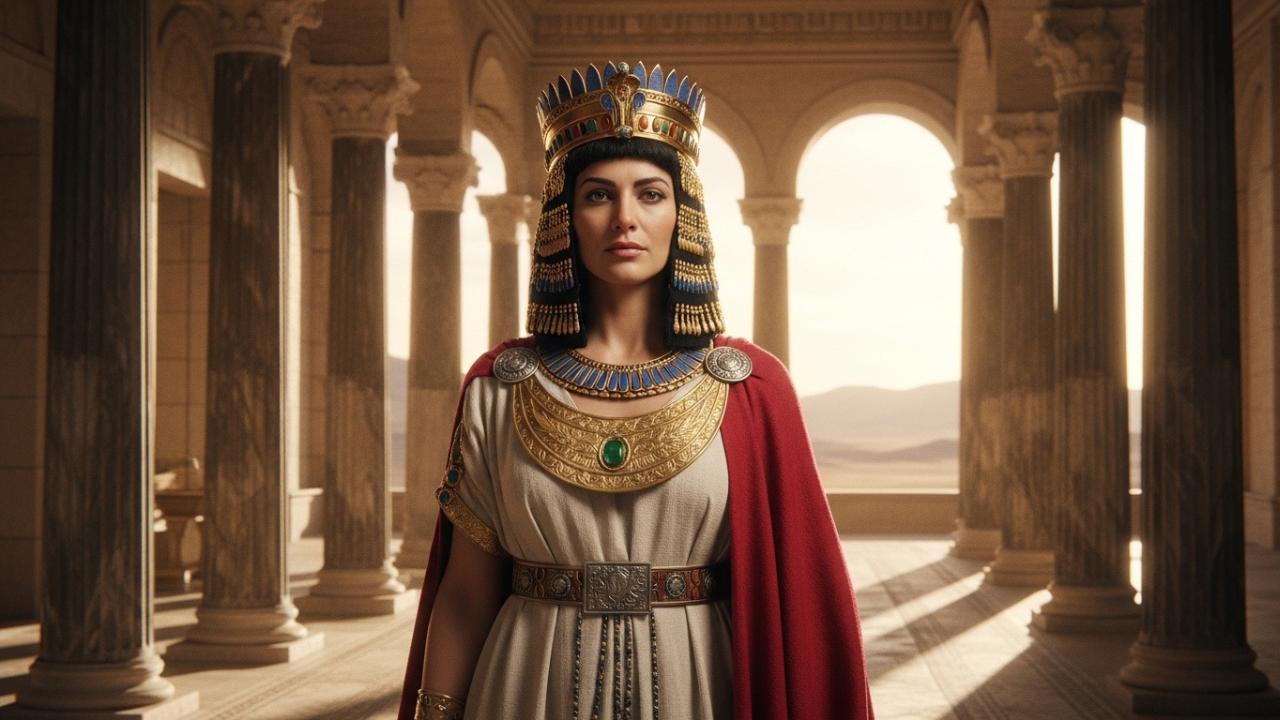
Cleopatra Selene II: The Forgotten Queen Who Shaped the Future
Cleopatra Selene II was born into a world of luxury and power, yet her life was marked by turmoil. The daughter of Cleopatra VII and Mark Antony, she witnessed the collapse of her parents’ empire at a young age. Captured after their defeat, she found herself in a precarious position amid shifting political allegiances.
Her marriage to King Juba II of Mauretania transformed her from a captive princess into an influential queen. Together, they ruled over this culturally rich kingdom, blending Roman and African traditions through art and architecture. Their royal court became a vibrant hub for intellectuals, artists, and thinkers from across the Mediterranean.
Selene’s legacy extends beyond politics; it encompasses culture as well. She played an essential role in promoting literacy and the arts during her reign. Her efforts laid foundations that would influence future generations in both Africa and Europe.
Though often overlooked in historical narratives, Cleopatra Selene II’s contributions shaped not only her immediate realm but also left ripples that echoed throughout history.
Early Life
Cleopatra Selene II was born into a world of opulence and ambition. As the daughter of Cleopatra VII and Mark Antony, her early life unfolded amidst political intrigue in ancient Egypt. The granddaughter of Ptolemy XII, she inherited a rich cultural legacy that shaped her identity.
Her childhood was marked by turmoil as her parents’ reign faced challenges from Octavian’s rise to power. In 30 BCE, following their defeat at Actium, young Selene witnessed the fall of her mother’s kingdom. This pivotal event forced her family into exile.
After being captured, she found herself taken to Rome along with her twin brother Alexander Helios. Stripped of royal privilege yet filled with potential, they were reintroduced to society under Octavian’s watchful eye—an experience that would shape their destinies.
Despite these hardships, Cleopatra Selene II displayed resilience and adaptability from an early age. These traits foreshadowed the remarkable journey ahead for this forgotten queen who would later carve out her own path in history.
Marriage and Issue
Cleopatra Selene II’s marriage was a significant alliance that shaped her destiny and the future of Mauretania. She wed King Juba II, who ruled over the region during a tumultuous period in history. This union was not just romantic; it was strategic, aimed at solidifying ties between Rome and North Africa.
Together they forged an impressive partnership, blending Greek and Egyptian cultures with local traditions. Their court became a hub of art and scholarship. It attracted renowned thinkers and philosophers, enhancing Mauretania’s reputation across the Mediterranean.
The couple had children who would continue their legacy. Among them were Ptolemy of Mauretania and other heirs whose lineage connected back to Cleopatra’s illustrious ancestry. Through her offspring, she ensured that her heritage endured despite political upheavals.
Their marriage symbolized resilience amid change but also highlighted how female rulers like Cleopatra Selene II often wielded influence behind the scenes while navigating complex alliances for their nations’ prosperity.
Queen of Mauretania
Cleopatra Selene II became the Queen of Mauretania after her marriage to King Juba II. This union was not just a romantic alliance; it symbolized a powerful political partnership between Rome and North Africa. The couple ruled over this prosperous kingdom, which thrived as a cultural and economic hub.
Under their reign, Mauretania flourished in arts, architecture, and trade. Cleopatra Selene’s influence can be seen in the region’s stunning cities like Caesarea (modern-day Cherchell). She played an essential role in blending Roman and local customs, creating a unique identity for her realm.
As queen, she embraced the title with grace while promoting education and culture among her people. Her court became renowned for its intellectual pursuits and artistic endeavors.
Despite facing challenges from both internal strife and external threats, Cleopatra Selene demonstrated resilience. Her leadership helped solidify Mauretania’s position within the context of the sprawling Roman Empire.
Legacy
Cleopatra Selene II’s legacy is often overshadowed by her more famous parents, Cleopatra VII and Mark Antony. Yet, her influence rippled through history in unexpected ways. As the queen of Mauretania, she played a crucial role in fostering connections between Rome and North Africa. Her marriage to King Juba II created a cultural bridge that blended Roman and Berber influences.
Her children also carried this legacy forward. The lineage continued to impact the region long after her reign, with descendants linked to both African royalty and Roman nobility. This melding of cultures enriched local traditions and governance.
Artistic representations during the Renaissance revived interest in Cleopatra Selene II’s story. Writers, painters, and filmmakers have drawn from her life for inspiration—adding layers to how we view powerful women in history today.
In modern times, scholars are beginning to reassess her contributions. They highlight how she navigated political waters skillfully during a tumultuous era marked by conflict and change.
In Fiction
Cleopatra Selene II has captured the imagination of authors and filmmakers alike. Her life story, woven with drama, romance, and political intrigue, makes her a compelling character in various fictional narratives. From historical novels to modern adaptations, she often emerges as a strong female figure navigating the complexities of power.
In literature, Cleopatra Selene is portrayed not only as a queen but also as an astute diplomat. Writers explore her intelligence and resilience against the backdrop of her tumultuous times. These portrayals emphasize her role in shaping Mauretania while highlighting the challenges faced by women in authority.
Film adaptations have also embraced this enigmatic queen. Cinematic interpretations often dramatize key moments from her life—her marriage to King Juba II or struggles within the Roman Empire’s shadow add layers to her character.
As fiction continues to evolve, Cleopatra Selene II remains relevant. She serves as an inspiration for stories that celebrate women’s strength amidst adversity and illuminate lesser-known chapters of history.
References & Further Reading
For those interested in delving deeper into the life of Cleopatra Selene II, various resources can provide further insights. Books like “Cleopatra: A Life” by Stacy Schiff explore the broader context of her family and heritage. Additionally, “The Last Pharaohs: Egypt Under the Ptolemies” by Joyce Tyldesley offers a detailed look at the Ptolemaic dynasty.
Scholarly articles also shed light on her significance in history. The Journal of Ancient History has published several pieces discussing her political alliances and influence over Mauretania. Documentaries about ancient queens often feature Cleopatra Selene II as well, highlighting her role in shaping both culture and governance.
Online platforms such as JSTOR or Google Scholar can lead you to academic papers focusing on her life and legacy. Websites dedicated to historical figures also offer curated biographies that focus on key events during her reign.
Exploring these references opens up a fascinating world where Cleopatra Selene II’s impact is more appreciated today than ever before. Her story remains an essential chapter in understanding not just ancient Egypt but also how women have shaped history throughout time.
see also: the cooling corner